

My Life With Chemsex and After Parties: The Grey Zone of Substance Use
Kevin, a Toronto-based writer, has drug- and sex-fueled benders that last for days. Here, he explores what he’s getting out of them.

This story was produced with the support of MISTR, a telehealth platform offering free online access to PrEP, DoxyPEP, STI testing, Hepatitis C testing and treatment and long-term HIV care across the U.S. MISTR did not have any editorial input into the content of this story.

Kevin’s stories represent isolated experiences over several years. If you or someone you know is struggling with addiction, resources can be found here.
“Should we order some more drugs?” asked the half-naked, blurry-eyed accountant from across the room filled with half a dozen other guys.
My first reaction was confusion. It was 9 a.m. and we’d been partying, fucking and awake for 38 hours. One person was passed out in the corner of the room, two others were fighting on the balcony. We had smoked, drank, sniffed, kissed, sucked, fucked, cum, laughed and cried more than others do in a year of socializing. What reason could there possibly be to keep the party going?
I looked over to our host, to whom the question had been directed. Only he had the power to end the bender which was quickly approaching its second full day.
“Sure, why not?” he responded.
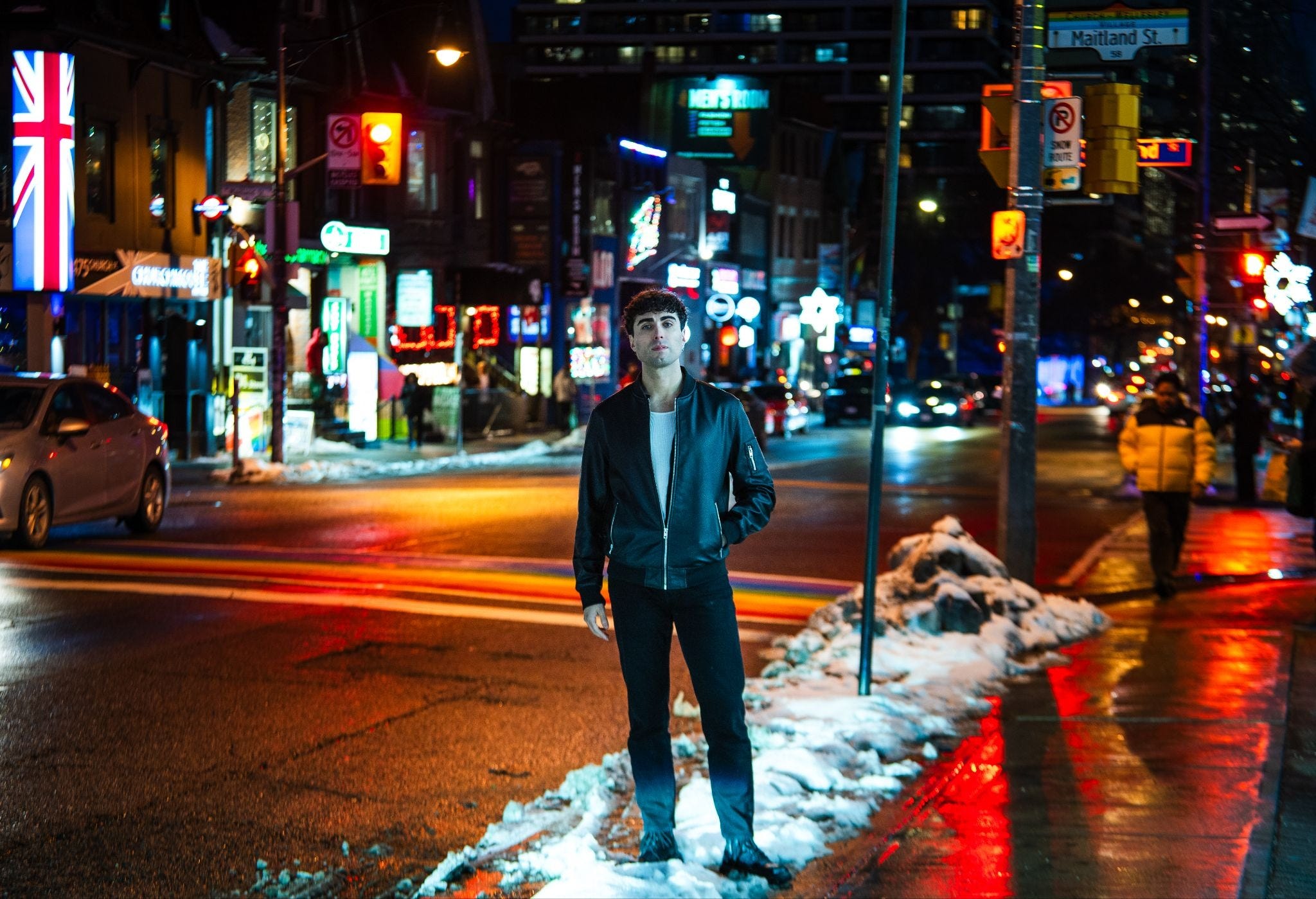
Lately I’ve been finding myself at more and more of these parties—colloquially called “afters.” Parties where going to the bar or club is a formality, and the real fun begins after Toronto’s 2 a.m. last call.
Unlike drunk pizza, my kind of afters are characterized by drugs, sex and—most importantly—an unflinching desire not to fade into sleep or isolation.
It’s a phenom that the gays in particular enjoy. According to 2025 data from Sex Now, the largest health survey of LGBTQ people in Canada, about three quarters of respondents say they’ve gone binge drinking or taken drugs in the past six months. Of these, roughly 12% report having taken cocaine, meth or MDMA—the kinds of stimulants you need to stay up for afters. This is compared to just 3-6% of all Canadians who have used these drugs in 2023. The same trends exist in the U.S., where LGBTQ people are almost twice as likely to suffer from a substance use disorder than their straight counterparts.
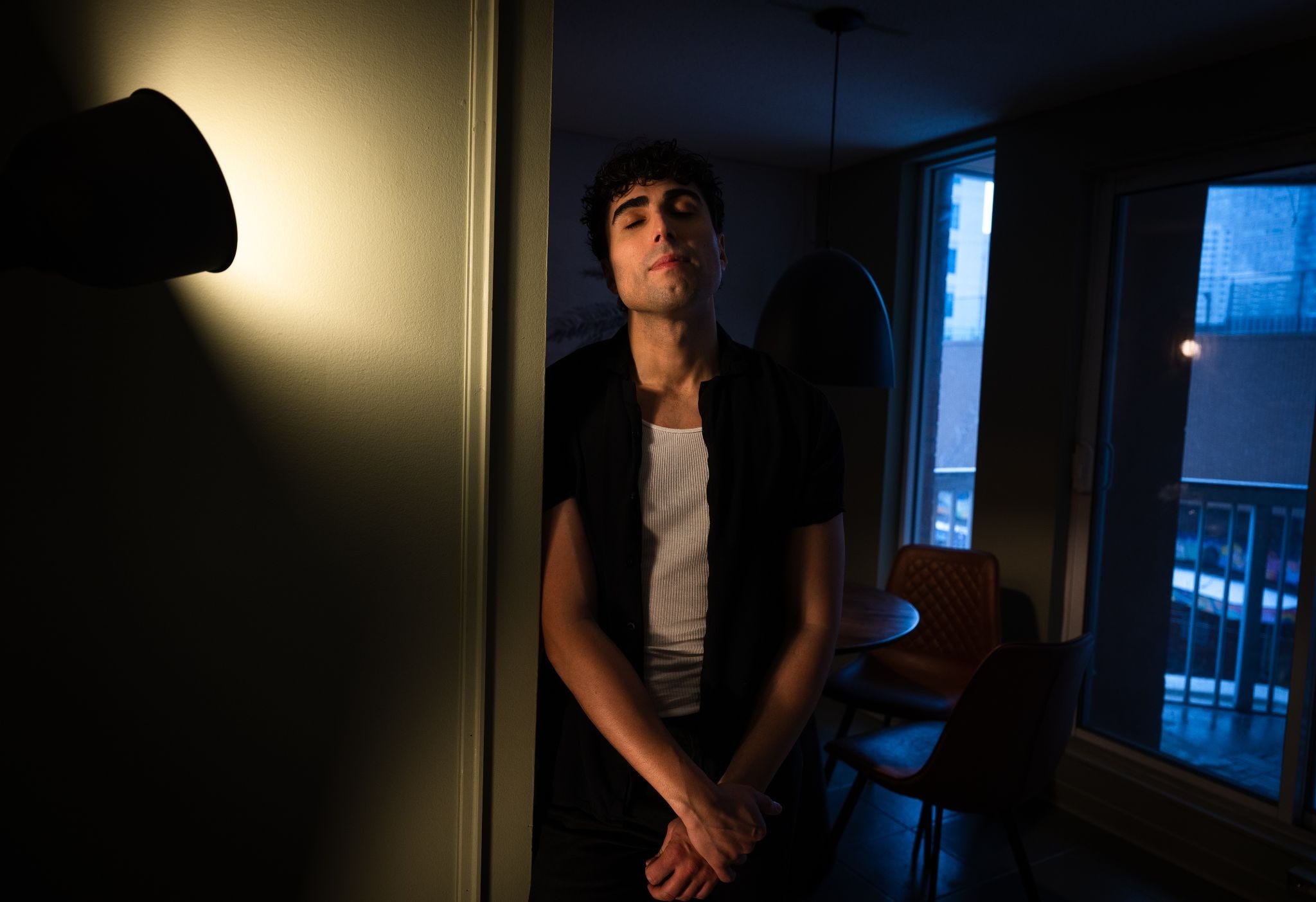
My entry point into the world of afters was, unsurprisingly, through sex. Young, horny, 19 years old and desperate for validation, I’d loved the feeling of being whisked from the bars to men’s homes. We’d strip off our clothes and hungrily take each other in—our mouths sore from kissing and sucking, skin rough from bites and stubble. Mid-way through sex I’d be offered things to heighten the experience or to take the edge off. It started with poppers, cocaine and MDMA. Eventually, it led to meth.
It’s a seductive setup. Discard the images of anti-drug PSAs where sketchy men pull up in unmarked cars offering illicit substances. Instead, you’re naked, imbibed on drinks and hormones, and in the warmth and safety of someone’s bed. Here the risks feel softer, the edges dulled.
The first time I smoked meth was at 22 years old, when it was blown into my mouth by a lover—a kiss with a promise of so much more. I’m not the only one who found the combo alluring. About 1 in 10 gay men have engaged in chemsex, also known as Party and Play.
Chemsex opened the doors to a realm of sensuality I’d always considered myself too anxious to delve into. Suddenly, I was enjoying group sex, sex with women, role play and kink. I can still recall the double-take my psyche did when I snapped out of a high and I was one forearm deep into fisting someone. A far cry from the shy boy who, prior to mixing sex and drugs, gave a handjob with trembling fingers.
All of it was on the table, as were the drugs—supplied generously and taken liberally. But as time passed, the sex—though still great—fell to the background.
Being in a room with people as high and drunk as you are can be an incredibly liberating atmosphere. As an insecure, queer kid, I spent years in deep fear of judgment—of saying or doing the wrong thing. The thing that would make people say, “Ah yes, this is why you’re unlovable.” These insecurities were coupled with a diagnosis of depression and anxiety. Still, understanding my mental health issues did little to relieve them, at least not as immediately as chemsex and afters did.
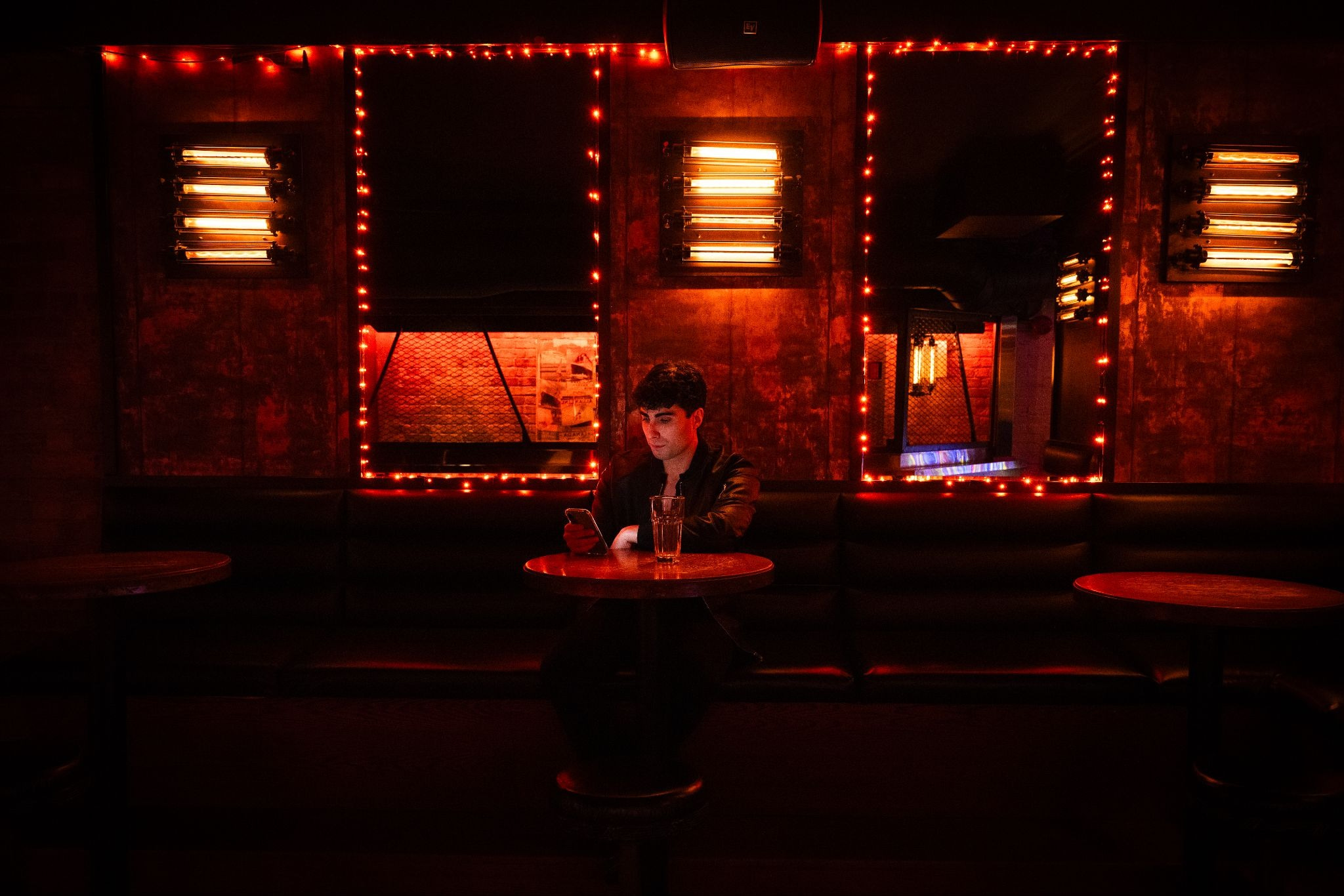
At an afters, there’s this specific point—typically in the 4-6 a.m. sweet spot—when the drinks, drugs and vibes are hitting right. The drugs are making you feel more comfortable being vulnerable, and you can be assured that no one will label you the biggest mess in the room because they likely think the same about themselves.
It’s the perfect storm for confessions. Some of the most intimate conversations I’ve ever had have been at afters.
I’ll never forget the 40-year-old lesbian I’d met only hours before telling me—teary-eyed—how she knows her partner does not love her and that she’s too scared to confront or leave them. Or the go-go boy pointing out the scars on his arms as he recounts years of abuse from his father. I, too, have shared about heartbreaks, pains and suffering from decades prior. These are the types of conversations people take years, sometimes decades, to reveal to friends or therapists.
It’s this cathartic release that keeps bringing me back.
And no, I’m not delusional. I know these intimate moments are enhanced by drugs. I know that when the comedown hits, many of these party-goers will return to being strangers, some of whom I’ll never see again.
Yet catharsis is not marked by its duration, but by its immediate release. It’s by sharing a thought—saying it out loud, again and again—that makes it, ultimately, easier to understand or live with.
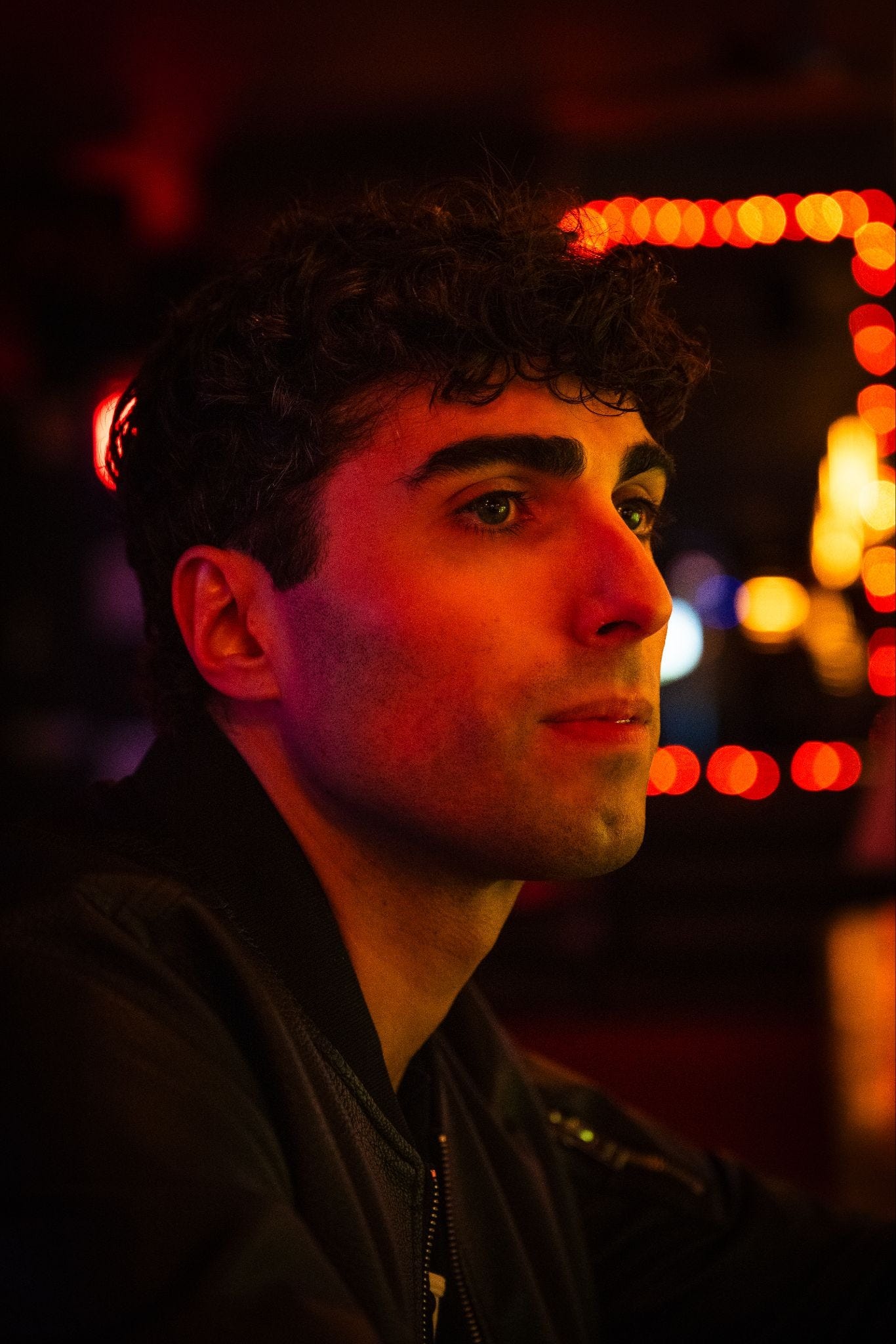
I had craved that kind of nonjudgmental intimacy for years, and I found it at afters. It’s gotten to the point where sometimes I don’t want to go to the bar, putting up with the charade of dancing or surface-level conversations. Instead, I long for closing time when I can mix in with the folks pouring out into Toronto’s Church and Wellesley gay village—going up to those I’d known or remembered and asking if they’re heading to an afters.
To paint afters as intoxicated therapy is half the story, however. There have been many moments when I’ve flown close to the sun and been incredibly lucky to emerge okay.
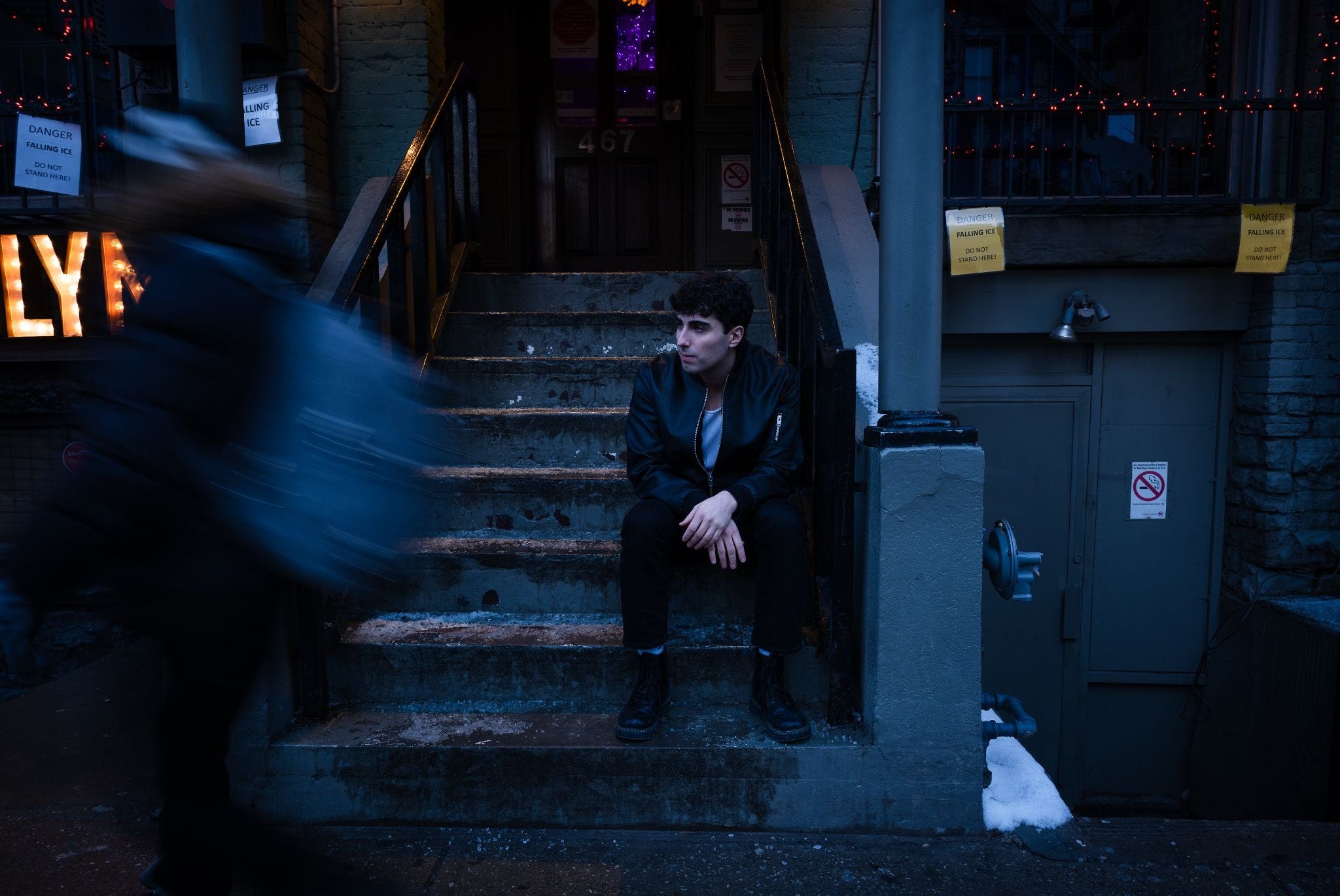
There’s the time when one afters was closing prematurely at about 4 a.m., so I hopped into a car with a group of guys who had heard of another happening on the other side of the city. The driver was just as high and drunk as the rest of us. Another time I’d gotten into a car with a man I’d shared a single drink with at the bar after he promised an afters. I didn’t notice when he hit the highway and we were leaving the city limits. Ninety minutes later I found myself in a barn with seven or eight gay strangers, all naked.
In both instances, I emerged unscathed—and in the farm case, with a basket of fresh produce. But other times, less so. I’ve had wallets, shoes and jackets stolen from after parties. I’ve been pressured to have sex with people or cross boundaries because they were the ones supplying the drugs. This has happened implicitly through body language, where guys feel entitled to grab or kiss me after a hit; explicitly, I’ve been told, “If you’re not going to party our way, get out.”
These are among the immediate risks, but I’m also aware of downstream ones. Chemsex is strongly linked with higher rates of HIV and other sexually transmitted infections—part of why I take PrEP and doxyPEP. There’s also the dangers of long-term addiction, tainted drug supply, overdosing, or a hard comedown that can exacerbate my existing mental health challenges.
Still, with all this laid bare, I know I have not attended my last afters. Every rational part of me is screaming to pull back. There will be a day I don’t get so lucky, where something happens that takes more than a good-night’s sleep and gallons of Gatorade to heal.
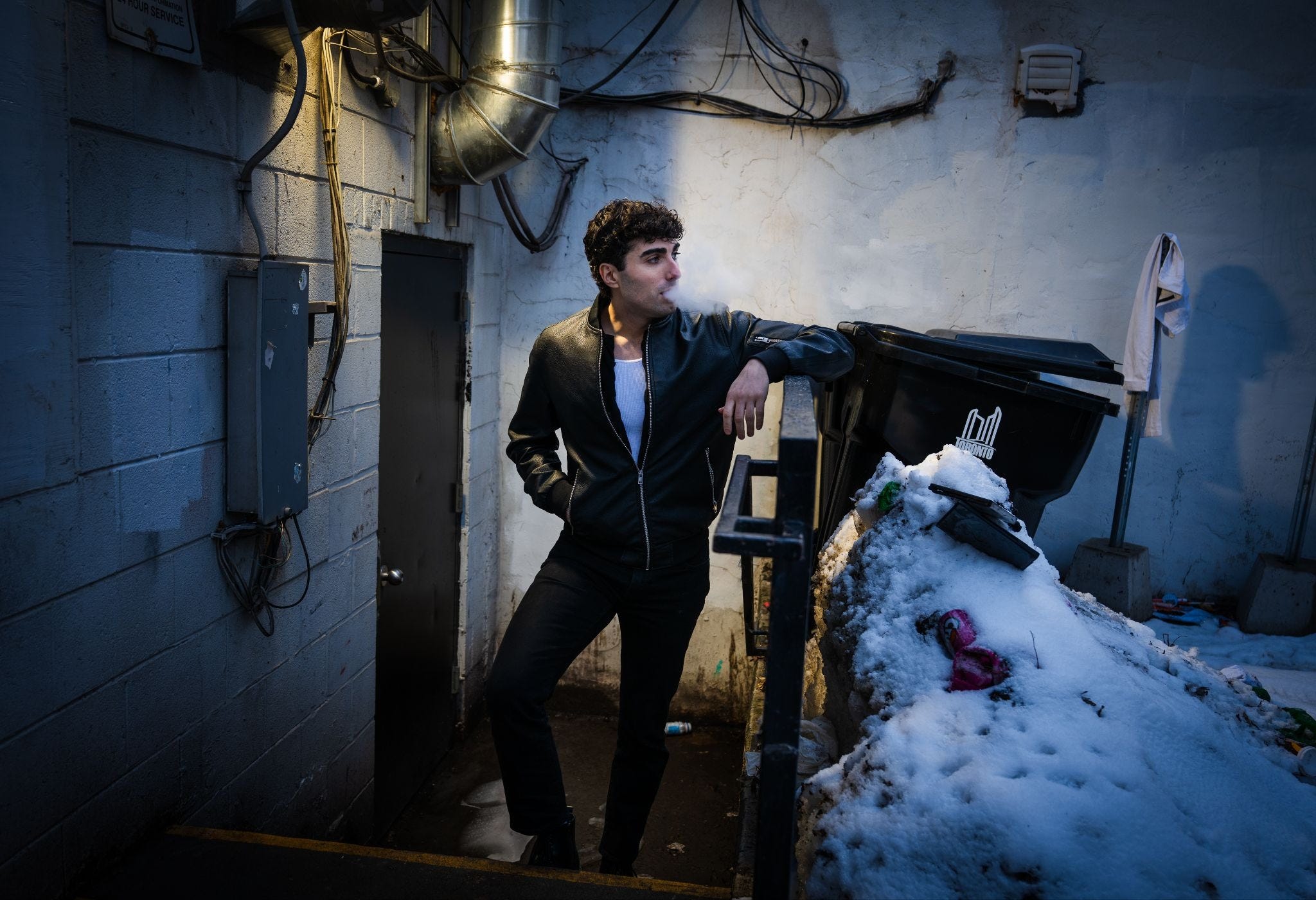
At the same time, turning away from the night is turning away from all that comes with it: the joy, the freedom, the sex. The feeling that I could do or say or fuck anything, and who gives a damn? It’s dawn, the drag queen has taken off her wig and someone’s hand is down my pants. There is nothing else to concern myself with.
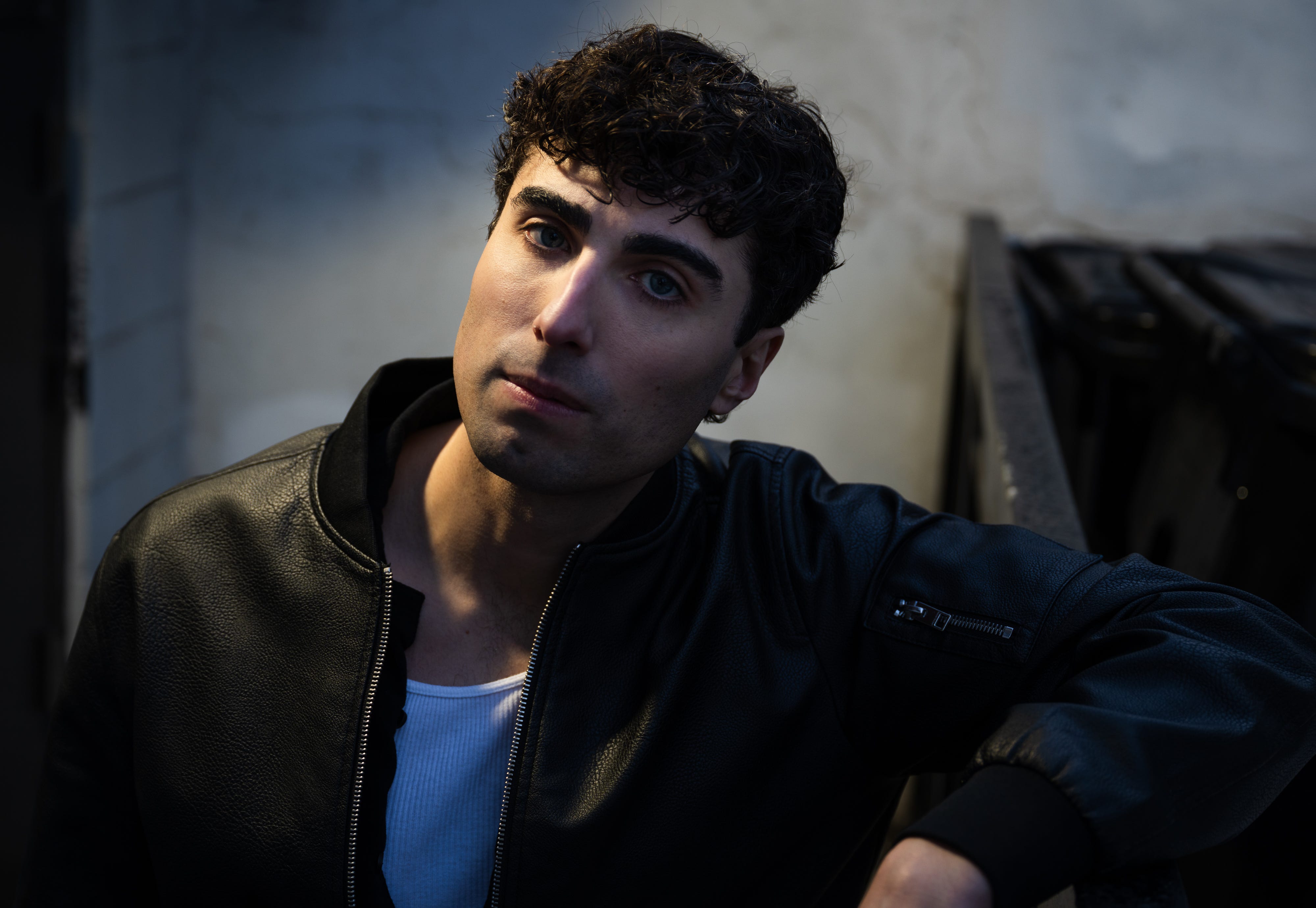
As I walk toward my next weekend, part of me believes that one day, I’ll find something that can scratch the same itch an afters does. Something, or someone, that feels as free and unencumbered. But while I wait for that, should I really deny myself the hedonistic pleasures of life, as late into the night as they go? Is happiness—fleeting, chemical, tinged with danger—not still happiness?
To that, I don’t have an answer. I’m not sure I ever will.
If objective, nonpartisan, rigorous, LGBTQ-focused journalism is important to you, please consider making a tax-deductible donation in the U.S. through our 501(c)(3) fiscal sponsor, Resource Impact, by clicking this button:
If you’re in Canada and would like to donate, you can make a charitable tax-receipted donation here:

 | A guest post by
|
What is the point of this article? Conventionally attractive gay men are free to do chemsex orgies? This isn't news to anyone. I'm more interested in the stories of the fatties and uglies who get rejected from these parties because the gay community is shallow. It's nowhere near as deep as this guy suggests. There is no meaning to be found there.
30+ years of being clean and sober have taught me - drugs and sex are a dead-end street. Yup, I've led a sober and incredibly boring life for that long, but here's the thing. If I hadn't become sober, I'd be dead by now. Trying not to be judgmental because I've been there. Hoping the best for you, my friend.