

Strength In Weakness: Guy Hammond’s Program That Devastates LGBTQ Survivors
By replacing promises of becoming straight with demands for celibacy, SIW has avoided the label of conversion therapy and, so far, scrutiny.



This story contains descriptions of suicide and self-harm. If you or someone you know needs support, resources are available here.
What Uncloseted’s Investigation Found:
Strength in Weakness (SIW) says it does not practice conversion therapy. But 24 former participants and people close to the ministry described teachings centered on suppressing LGBTQ identity and behavior through celibacy, heterosexual relationships and lifelong resistance to same-sex attraction.
The ministry has a global reach. SIW says it has worked with thousands of people across 58 countries, while Uncloseted Media identified appearances by the ministry’s founder, Guy Hammond, in at least 31 U.S. states and 20 other countries.
Former participants describe serious harm. Survivors of SIW told Uncloseted they experienced shame, isolation, depression and suicidal thoughts while following SIW’s teachings; one former participant died by suicide after leaving the ministry.
SIW continues operating even where conversion therapy is banned. Experts say its religious framing and rejection of promises to make people straight have helped it avoid the scrutiny faced by more traditional conversion therapy programs.
At 17 years old, Sami Tacher remembers standing atop a parking garage outside Seattle and staring down at the pavement.
They had been trying for five years to suppress their attraction to men. At 15, Tacher had found Strength in Weakness, a Christian ministry that purported to teach people experiencing “same-sex attraction” how to resist those desires. To Tacher, who had grown up believing that being gay would destroy their relationship with God and devastate their family, SIW felt like an answer.
Two years later, Tacher says, they could no longer imagine how they were supposed to live the rest of their life.
“I just stood up there and waited,” Tacher told Uncloseted Media. “I went there several times.” What stopped them, they say, was thinking about the burden their death would place on their family.
“So I’ll just sacrifice everything and stay in the program,” they remember deciding.
They would remain in SIW for years as a teenager and young adult, becoming friends with the organization’s founder, Guy Hammond, and helping promote the very teachings Tacher now believes were destroying them.
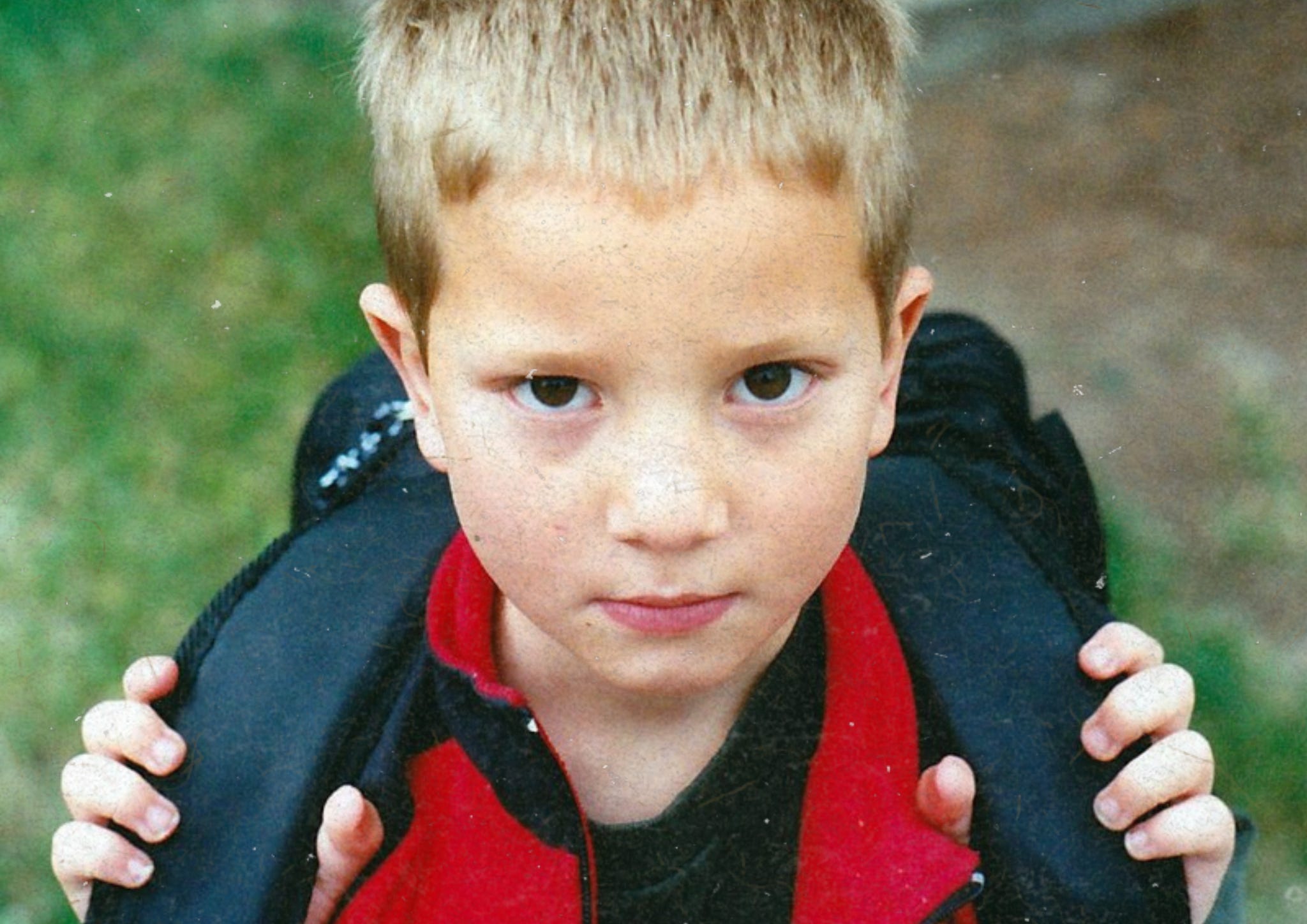
“I just didn’t see my way out,” Tacher says. “I was miserable and shrinking inside [and] constantly denying myself … but I was holding on. And in the eyes of Strength in Weakness, I was succeeding.”
SIW is a ministry closely embedded within the International Churches of Christ (ICOC), according to former ICOC leadership, a global network of congregations that some former members describe as a cult because of its rigid hierarchy and control over members’ lives. SIW’s founder, a 63-year-old self-described “homosexually attracted Christian” man named Guy Hammond, has been recounted within the ICOC as “the Jesus of gay people.” He teaches that people who experience so-called same-sex attraction should remain celibate or pursue heterosexual relationships while resisting desires the church considers sinful.
In a statement emailed to Uncloseted Media, the ICOC says, “We are not, and never have been, a cult. Members join and leave our fellowship at will and we make no attempt to prevent people from leaving or finding other places to worship.”
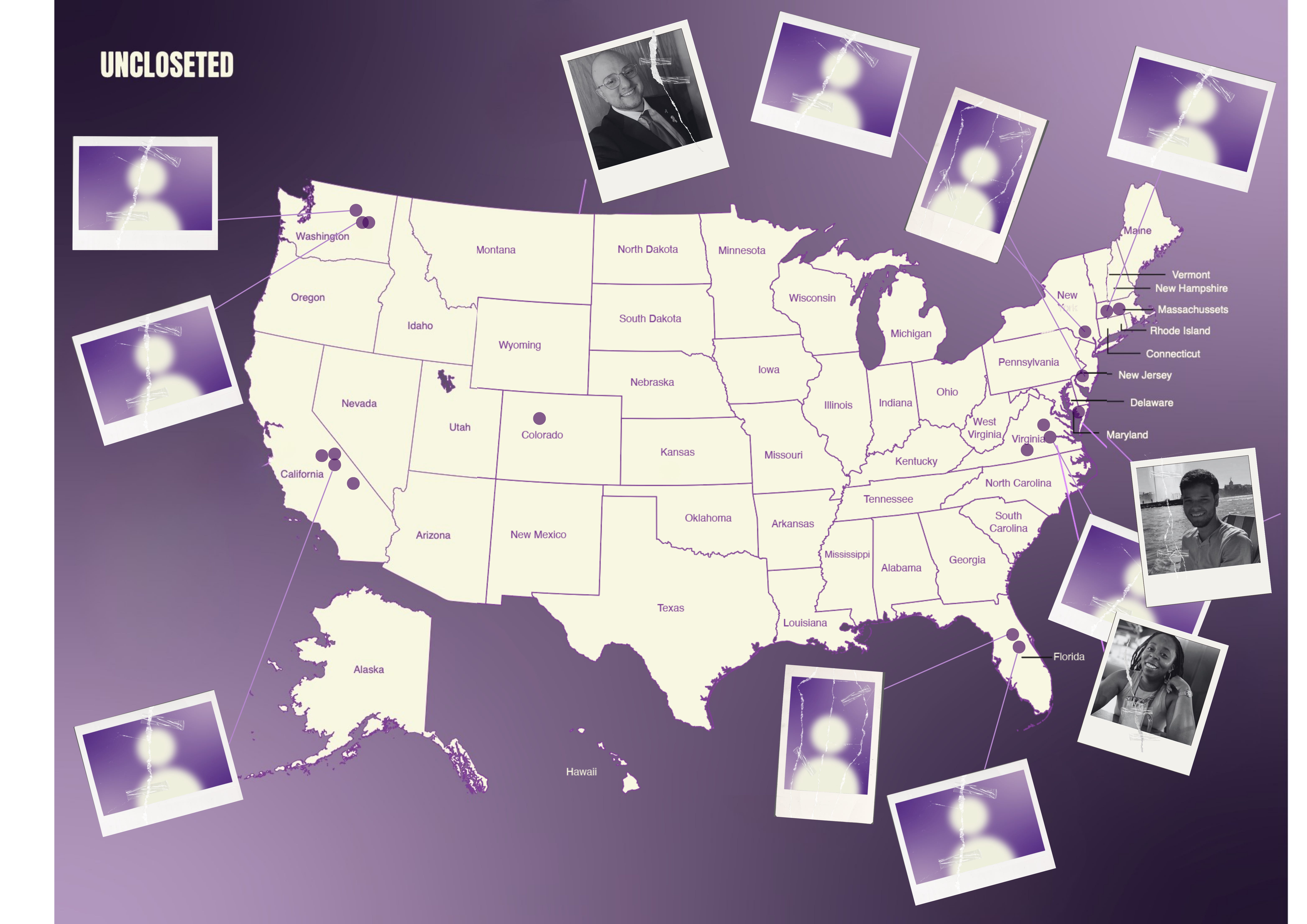
Since its founding in 2006, SIW says it has worked with thousands of people across 58 countries, and Hammond says he has taught more than 100,000 people worldwide. While the ministry insists it does not practice conversion therapy, interviews with 24 former participants and their loved ones reveal a global program built around suppressing LGBTQ identity and behavior. Former participants—who entered the program in their teens and early 20s—described years of shame, isolation, depression and suicidal ideation.
“Any effort to suppress someone’s gender or sexuality falls under the umbrella of conversion therapy,” says Lucas Wilson, a researcher who studies conversion practices within white Christian nationalist movements. “Pushing people to remain celibate or pushing people into mixed-orientation marriages are conversion practices.”
The Conversion Therapy Loophole
While Hammond doesn’t describe his practice as conversion therapy, he has said that he is extracting people from the “gay world.”
“If you want to convert somebody from the gay world, you’re going to do that not by bashing and putting down homosexuality,” Hammond said in a service at the Johannesburg Church of Christ in South Africa. “You have to do it by lifting up Christ.”
Still, SIW is firm that it is not a conversion therapy practice. In its terms of use, all members must agree to the following:
“I understand that Strength in Weakness Ministries … does not support conversion therapy and does not use conversion therapy in any manner. It is not the goal … to have any person change or alter their sexual attraction or identity.”
In an emailed statement to Uncloseted Media, Hammond says: “We strongly condemn conversion therapy. Strength in Weakness does not practice, promote, or endorse it. Neither my staff nor I have ever promised or taught that someone’s same-gender attractions would change or disappear. I am myself a same-sex attracted Christian man. I neither seek nor feel any need to change my sexual orientation. I do not believe a person’s worth before God is determined by their sexual orientation or the attractions they experience.”
Wilson says that when an organization uses this denial tactic, it relies on “mental and rhetorical gymnastics” to create “a more palatable public-facing image.”
“It’s a matter of optics,” he says. “These are folks who know that the general population, even those who are in the Christian bubbles, know or have heard of conversion therapy and know that it has been unilaterally condemned within scientific and professional communities. … They don’t want to be labeled as a conversion therapy organization because … people will discredit them, even those within controlled Christian spaces.”
Meigan Whitcomb, a 26-year-old former ICOC member from Los Angeles, says Hammond’s teachings shaped how she understood her attraction to women long before she identified as queer. Whitcomb, who now identifies as pansexual, first heard Hammond speak when she was around 13. She’d watch him speak at church events, national conferences and in videos played by the church.
“Nobody saw it as conversion therapy,” she says. “Because they’re not trying to change them from being gay. It’s OK that they’re gay. They just can’t act on it. And that’s the little loophole.”
In practice, Whitcomb says, people labeled as same-sex attracted, or “SSA,” were expected to either marry someone of the opposite sex or remain single. “It felt like they would just walk around with a scarlet letter on their chest,” she says.
In SIW’s programming, members read Hammond’s books, attend conferences and gender-separated support groups, complete worksheets and participate in forums through the website. If deemed necessary, they will receive individual counsel from Hammond.
One SIW counseling article, for example, encourages men to “confidently pursue” their “heterosexual goals.” In another SIW guide called “HELP! My Roommate is Gay!” Hammond instructs roommates of gay congregants to question them about when they were last “involved in homosexuality,” identify people in the home who might cause them to “struggle,” avoid walking around “naked or half dressed,” and involve church leadership if the person is “just not repenting.”
“I believe every person is created in the image of God and deserves dignity, kindness, and respect, regardless of sexual orientation or gender identity,” Hammond wrote in his email to Uncloseted Media. “Many LGBTQ+ people do not share our ministry’s biblical convictions regarding sexuality, and we respect their freedom to live according to their own beliefs.”
A former participant of SIW sent Uncloseted a May 2023 recorded conversation with a person who contacted SIW seeking information about the ministry in which an SIW volunteer staff member describes how its support groups monitor members’ sexual behavior, relationships and “purity,” including masturbation, pornography, hookups and emotional attachments to other men.
During the same conversation, the volunteer describes SIW helping a man who had decided to dissolve his marriage to another man and return to the church. “We supported him in that,” the volunteer says. “We walked through it with him, Bibled with him, navigated with him through this [dissolution] of his marriage.”
“It has this appearance of liberation,” says Wilson. “But over time, people realize that this is not a free space. There are a lot of conditions on these people’s love for them. They have to follow the program … and then you realize that it’s conversion therapy under a different name.”
Behind SIW’s Denial
While SIW rejects the conversion therapy label, Tacher says the effects of SIW’s programming were damaging to their mental health.
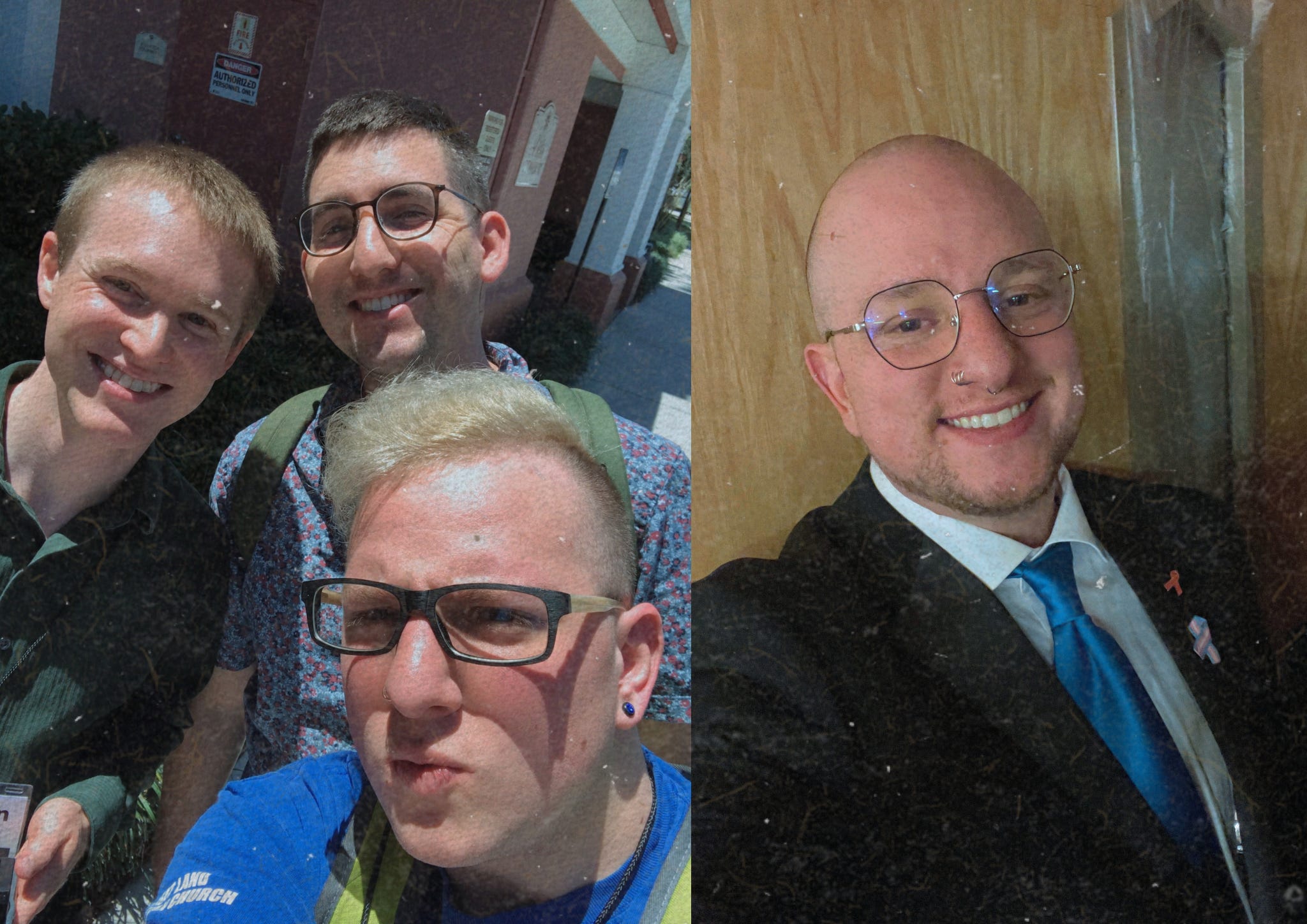
“It developed into a deep anxiety for me,” they say. “My whole universe was making sure same-sex attraction doesn’t happen. I will ruin my life and my family’s lives and there’s no coming back.”
Behind those teachings is a network of influences that stretches well beyond SIW. Hammond has longstanding ties to some of the movement’s most prominent practitioners and organizations.
He wrote a glowing review for a book by Michael Rosebush, who practiced conversion therapy over the phone and was previously affiliated with Focus on the Family, a prominent anti-gay group. Hammond wrote that he was Rosebush’s “former client” and that the book was full of “sensible guidance” that he received while “under his care.” Hammond also wrote in a blog post, “I acknowledge that I am not a Reparative Therapist, but that does not mean I do not have tremendous respect of that theory and therapy.”
In 2010, Rosebush was listed on SIW’s website as a member of its counseling staff.
Additionally, SIW’s former associate director, pastor Kris Boyer, has been involved with Outpost Ministries. In an article from SIW obtained from a survivor, Boyer described Outpost as a “non-denominational ex-gay ministry.” And the ministry was among the original members of Exodus International, the former umbrella organization of the ex-gay movement, which was shut down in 2013 after its leader issued a public apology to the LGBTQ community “for the pain and hurt many of [them] have experienced” as a result of the ministry’s conversion efforts.
In 2010, Boyer addressed the Presbyterian Church General Assembly in opposition to the ordination of noncelibate gay clergy, presenting his own life as evidence of the “possibility of change.”
Boyer did not respond to a request for comment.
The Adolescents Hammond Called Peers
Beyond the relations to past conversion therapy organizations, Hammond’s teachings were especially personal for some of the young men who came under his influence.
“How do you repent of attraction? I don’t know,” Hammond says of his sexuality. “But I can repent of what I do with my attractions in my mind and with my body.”
Hammond, who grew up in Windsor, Canada, had a rough childhood: His parents’ relationship was tumultuous; his father, a pastor, had multiple suicide attempts; and he was molested by an older man—all of which he presents as context for him developing “same-sex attraction.”
“Being attracted to people of the same gender was not something I woke up one day and decided,” he says in “Finding Guy,” a documentary about his life. “I remember lying in bed at night, looking up at the ceiling, considering how little the world seemed to think of me.”
In an article on the SIW website, Hammond writes that his male clients experiencing same-sex attraction begin by completing “an extremely thorough questionnaire about their sexuality” that asks them to reflect on their development between ages 11 and 17, including whether they had less body hair, smaller muscles or a “smaller penis size” than other boys their age. Hammond then claims that “an astounding 69% of the SSA male clients responded ‘yes’!”
According to Doug Haldeman, a psychotherapist and clinical psychologist who has worked with hundreds of conversion therapy survivors, these disclosures can be “traumatizing” for youth.
“For adolescents, it can just be humiliating, especially in the context of some kind of a homophobic treatment program that they don’t feel like they’ve got any choice to participate in,” Haldeman told Uncloseted Media.
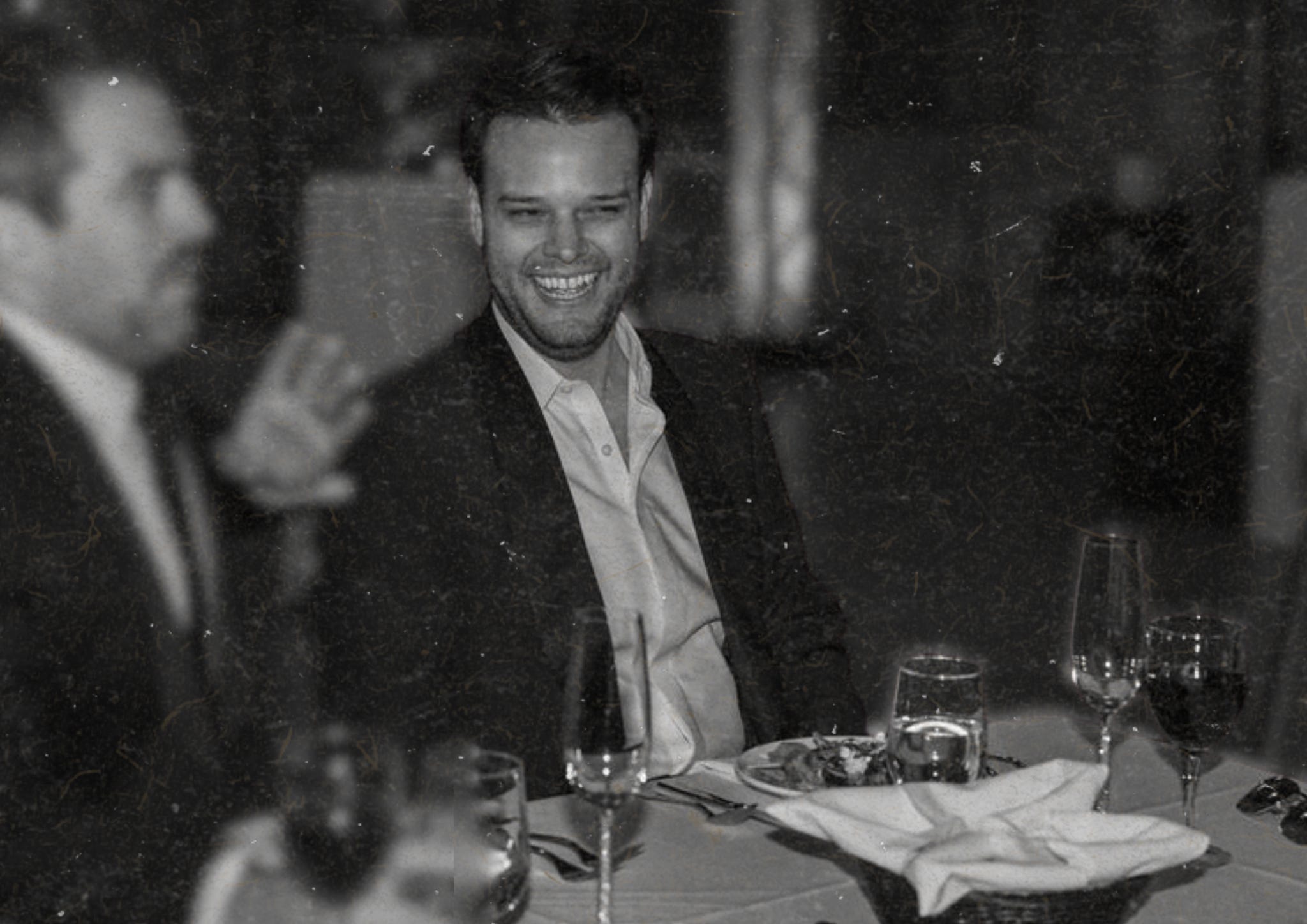
Daniel Aste, a 33-year-old philanthropic adviser, says he felt uncomfortable with the details he was pressured to reveal to Hammond when he was in the program in his early 20s.
While studying in Geneva, Switzerland, Aste helped the local ICOC congregation build its campus ministry. At the time, he was struggling with his gay identity. So he began weekly Skype meetings with Hammond.
“It was pretty similar to any sort of talk therapy, except I don’t know if the guy has credentials to do that,” Aste says. “[Hammond] would also share about his dark past. … He really pushed me to be very explicit in the details of my purity mess-ups.”
Aste felt pressure to describe his lust, attractions and any actions he took in great detail, like the types of acts he did or the exact thoughts or fantasies he was having. “I always had this lingering question of, is it a normal Christian confession or is there some sort of gratification that [Hammond] is getting from me going into such detail? … I always had a kind of icky feeling.”
Aste says Hammond taught him to build his life around avoiding sexual sin. Hammond would warn him against sharing a hotel room with another man at church conferences, even though members commonly did this to save money.
It left him feeling isolated, deeply ashamed, self-loathing and constantly self-surveilling.
“I became almost frantic in searching for the tool that would help me suppress my homosexuality.”
Tacher, now 31, had a similar experience. They were raised in a prominent ICOC family near Seattle and began recognizing their attraction to men at 12. After a church camp counselor introduced them to SIW, Tacher spent nearly seven years trying to suppress their sexuality. They paid roughly $35 on Jan. 17, 2011, as an annual fee to access SIW’s website, and began completing their daily Bible exercises.

“I would stay on the [SIW] chat forum for hours and hours each night,” Tacher says. “I was waiting for a friend, someone who understood and felt the way I did, and believed what I did. But no one came.”
At 15 years old, Tacher caught Hammond’s attention, they say, especially because they were the son of ICOC elders—a high position in the church hierarchy—and had never “kissed a boy.” It wasn’t long before Hammond recruited Tacher to make content tailored for SIW’s younger audiences.
“I would talk about my struggles, confess sin and talk about the relationships I was building with other men in the church,” says Tacher, adding that they spoke roughly monthly for an hour or more about their sexuality, relationships with other men, “purity” and what boundaries they should set in their life.
Looking back, Tacher describes their relationship with Hammond as “inappropriate.”
“I don’t think adults you don’t know well should be having these conversations with you about your sexuality,” Tacher says. “He tried to treat it like some kind of peer-to-peer relationship with a 17-year-old.”
Tacher says some of the details that Hammond shared during their talks were from his own youth.
As a young adult in the ‘70s and ‘80s, Hammond says he lived a “double life” where he’d attend church and try to appear happy while secretly returning to his boyfriend and seeking sex with men he met in gym locker rooms, parked cars and other cruising spots. Hammond recalls spending “hundreds of hours” searching for “love … connection and … significance,” while feeling that a “gaping hole” inside him could not be filled.
But in 1986, Hammond says he was convinced by a minister in Toronto to confess his so-called sins and repent. He says the minister told him, “If you refuse to be transparent with your life and you are not willing to repent of whatever sinful activity [that] you are involved in, then there is nothing I can do to help you.” From that day on, Hammond says he never again engaged sexually with men. He’d go on to marry a woman who became deeply involved with the ministry before she passed away in 2018.
“His advice was always to run away,” Tacher says. “Stay as far away from attractive people as you possibly can.”
Tacher says that Hammond told them that even thinking another man was attractive was sinful—and, like every other sin, equivalent to driving another nail through Jesus’ hands.
When the Only Options Are Sin or Death
While Tacher remembers speaking to participants who were as young as 12 years old, Hammond describes the decision to participate in SIW as one made freely by the individual.
In his emailed statement to Uncloseted Media, Hammond emphasizes that SIW serves only adults who voluntarily seek its support. “Strength in Weakness exists solely for adults who, with that same freedom of choice, voluntarily seek support in living according to their Christian convictions surrounding their sexuality and faith.”
“You’re free to live however you want, but you are not free to choose your own consequences,” Hammond says in one sermon. “The cost of following Jesus is high, but the cost of not following Jesus—that’s higher.”
But Haldeman says, “[In] the many religious communities and homophobic communities that conversion therapy survivors come from—there is no such thing as no coercion. … Almost all of the survivors I ever dealt with really felt like they didn’t have much of a choice. They could either give up everything that they had ever known, or they could give up themselves.”
Whitcomb says that, as a teenager, rejecting Hammond’s framework did not feel like an option. “Acceptance in the church was everything,” she says. Being labeled distant, weak or outside the group could mean losing the attention and relationships she had grown up depending on.
“I wanted to kill myself,” Tacher says. They recall one time sitting in their car in the parking lot holding a shattered glass bottle to their wrist, trembling. “It was only a primal urge keeping me alive. Nothing else mattered. … I was filled with such disgust and shame.”
A majority of the survivors interviewed by Uncloseted Media say they experienced suicidal thoughts either while participating in SIW or while trying to process the effects of the program. And not everyone lived long enough to heal.
Less than two years after Dezi Redler, a nonbinary 31-year-old, left SIW, their partner Nathan Udall woke up to a gunshot.
“I ran downstairs, I didn’t see them anywhere, and then I found them in the bathroom,” Udall told Uncloseted Media. “I called 911 and tried to do CPR on them, but it was too late.”
Dezi was dealing with severe mental health challenges after being in SIW for six years as a “poster child” for detransition, according to former members of Hammond’s program.
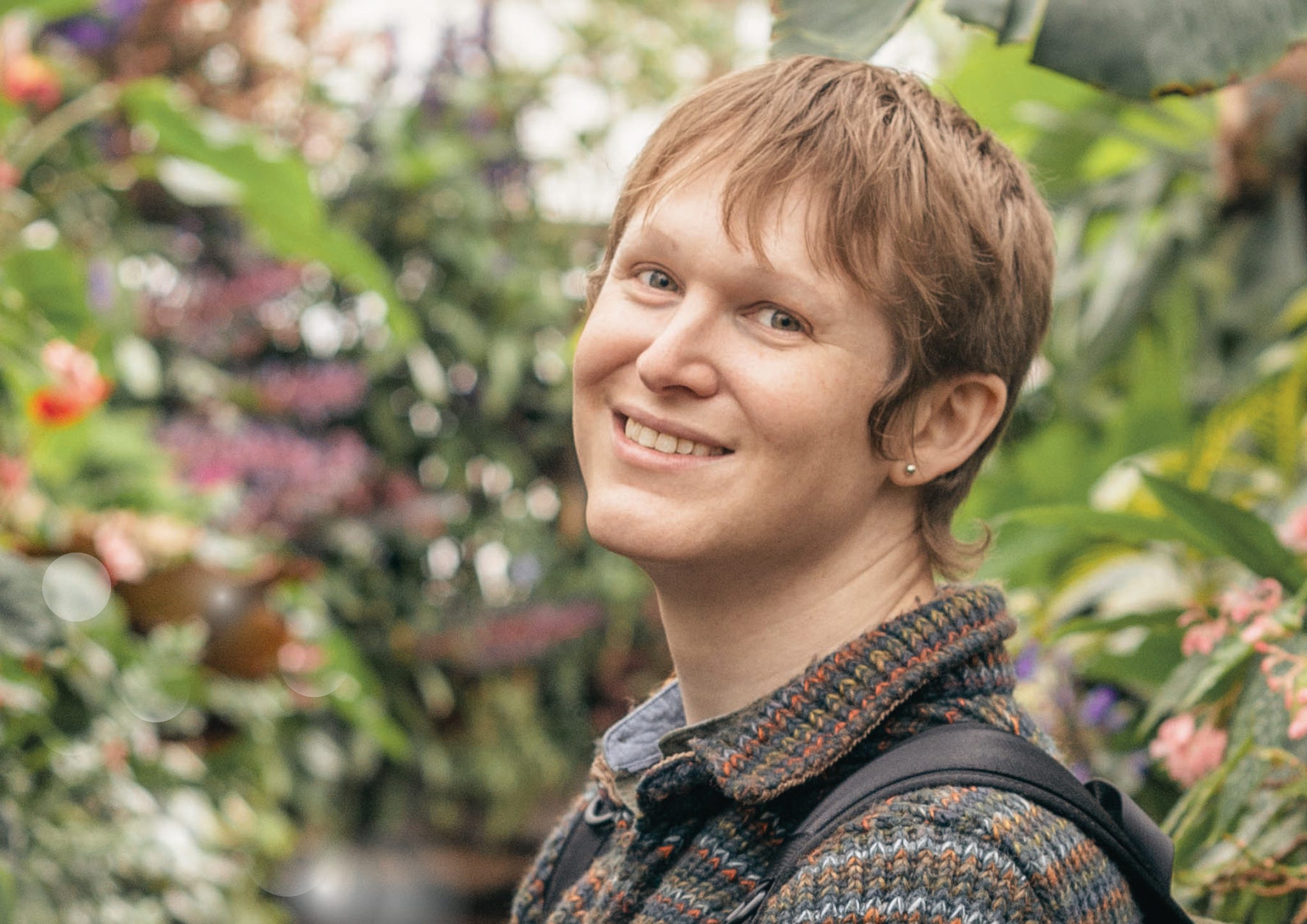
Upon joining the Orlando Church of Christ in 2009, Dezi believed they needed to detransition to follow the Bible. They cut their “beautiful red hair” and resumed presenting as a man, according to their mother, Leslie Redler. The Orlando Church of Christ did not respond to a request for comment.
Not long after, Hammond visited the church and met Dezi. In 2014, according to Leslie, he approached them about joining SIW’s volunteer staff and asked if they’d publicly share their detransition story.
“We were extremely worried,” Leslie, who was not religious herself and didn’t raise Dezi in the church, told Uncloseted Media. “They had worked so hard to become Dezi. … I was very worried that severe depression would arise. … I knew how they struggled [as a teenager before transitioning] and was very much concerned that if they abandoned their self-beliefs, things were not going to go well.”
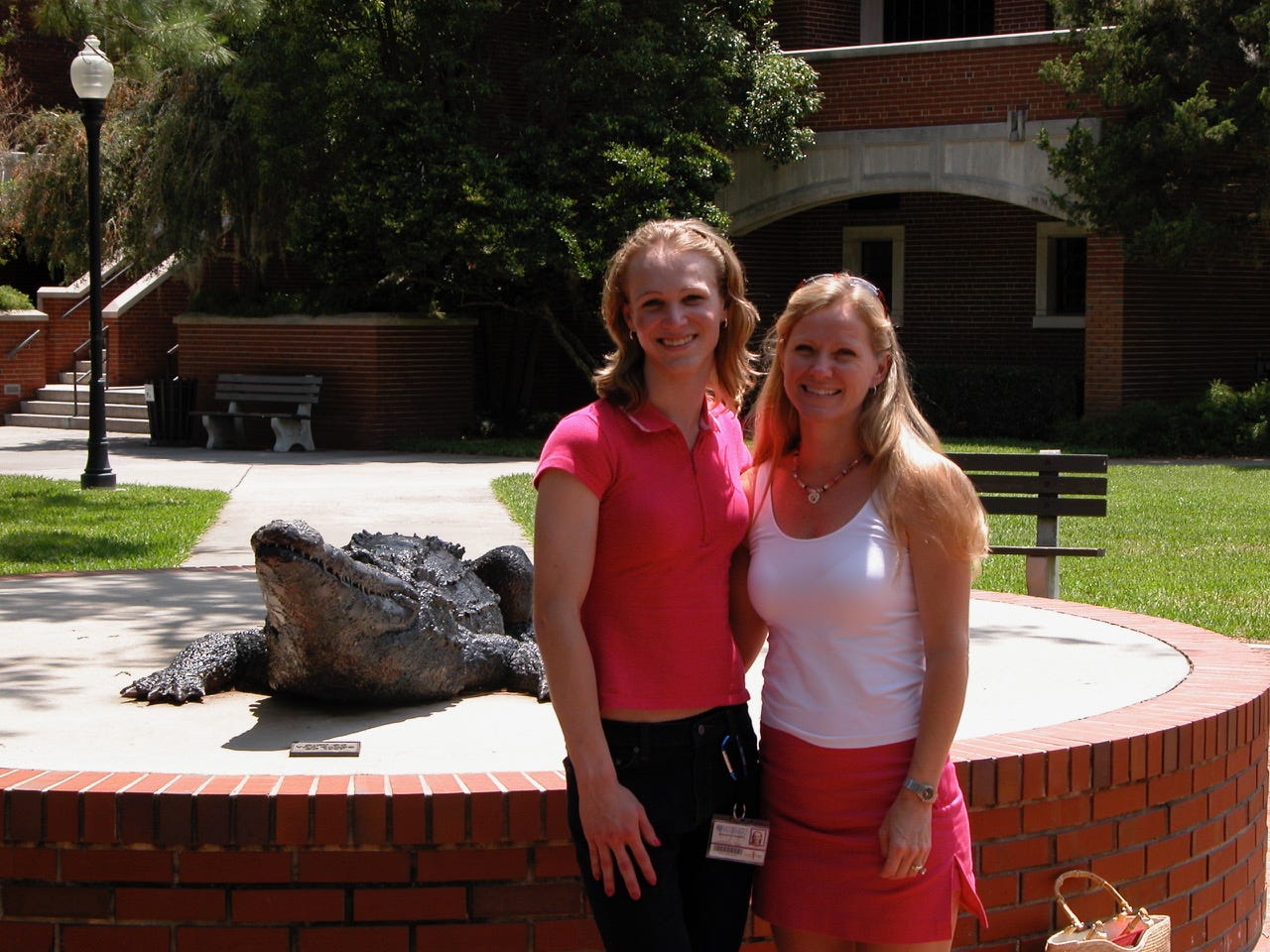
Dezi became a prominent speaker in SIW’s transgender ministry—even while publicly acknowledging that their transgender feelings had not disappeared, they wrote in an article for Douglas Jacoby, a bible teaching website, that “it is with daily self-denial that I choose to live as God intended: in a male gender role and not romantically involved with other men.” Former SIW members remember Redler speaking about how painful it was to live in a detransitioned body while asserting that closeness to God made that pain worthwhile.
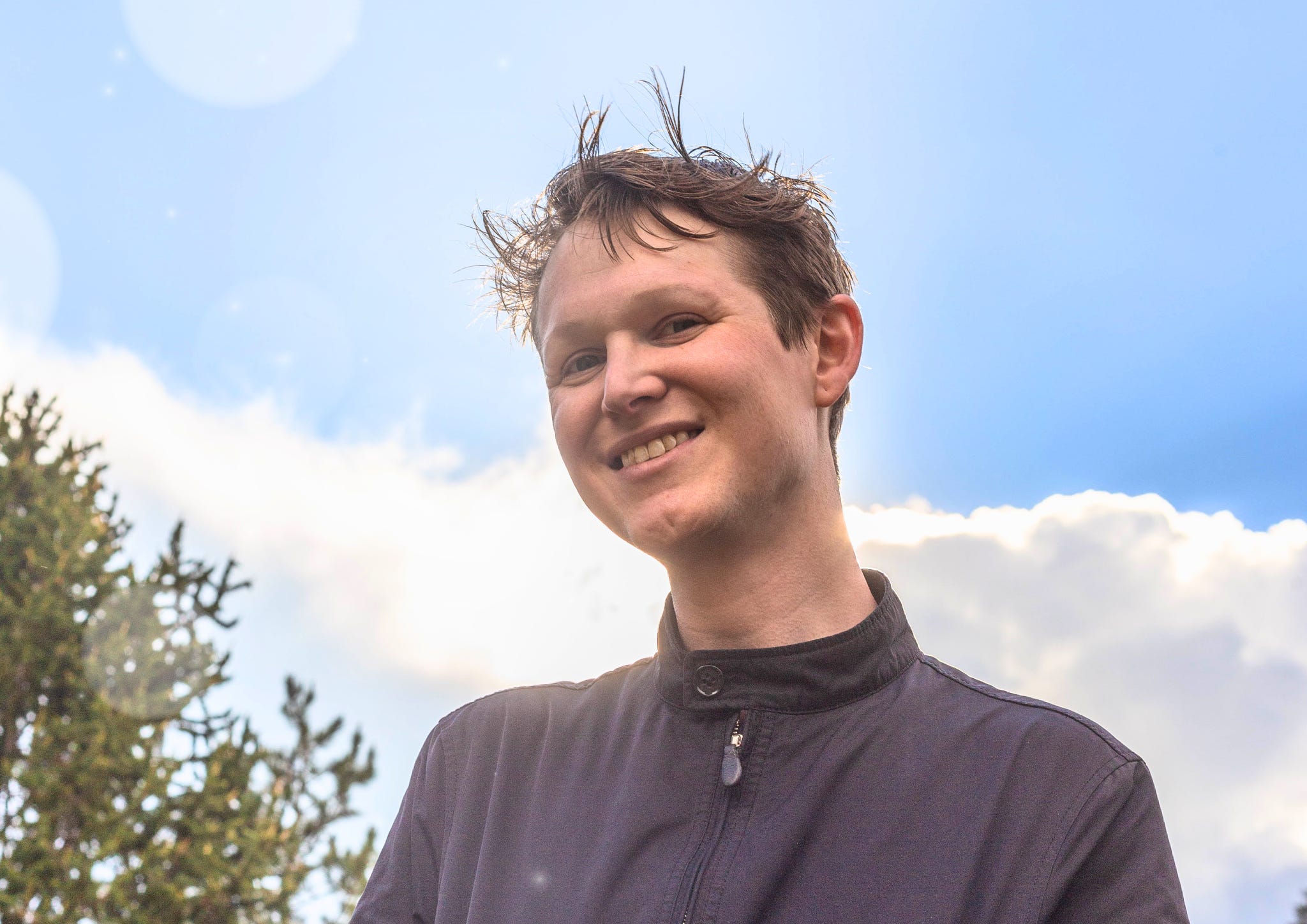
But after six years of practicing self-denial through SIW, Dezi’s depression worsened and severe OCD symptoms began surfacing, to the point where they wore gloves wherever they went. According to Leslie, they sought professional help from a psychologist who ultimately identified that living as a man—and continually denying their gender identity—was a major contributing factor to the deterioration of Dezi’s mental health.
Leslie says Dezi searched for other explanations, including a consult with a neurologist, but “there were no answers other than stop denying yourself.”
According to Udall, Dezi left the ministry in 2020 when they realized that “this is even worse [than before]. This is not what I want.”
After leaving SIW, Dezi began living openly as nonbinary. During the pandemic, Leslie says they spent hours playing Yahtzee over Zoom with her and their dad, went hiking in the California mountains, and shared years of scuba-diving trips with her. Leslie remembers Dezi as her “best dive buddy.”
“Everyone loved [Dezi]. … They were loving and kind and sweet and giving,” Udall, who was living with Dezi when they died, told Uncloseted Media. “I was completely in love with them. … I was ready to spend the rest of my life with them.”
Research suggests the danger of self-harm can remain acute even after someone leaves conversion therapy. A 2026 Trevor Project analysis found that 35% of LGBTQ young people whose most recent exposure to conversion therapy occurred within the previous year reported attempting suicide and 61% experienced suicidal ideation. While that number decreases over time, it is still disproportionately high in the following years after leaving conversion therapy programs.
“The things that they went through to finally get to be Dezi … to then try to erase all that when the feelings are still there, yes, I absolutely believe that that was the entirety of it,” Leslie says, referring to how much more depressed Dezi was while in the SIW program.
Leslie says that while members and leaders of the Orlando church reached out after Dezi’s death, Hammond never contacted the family.
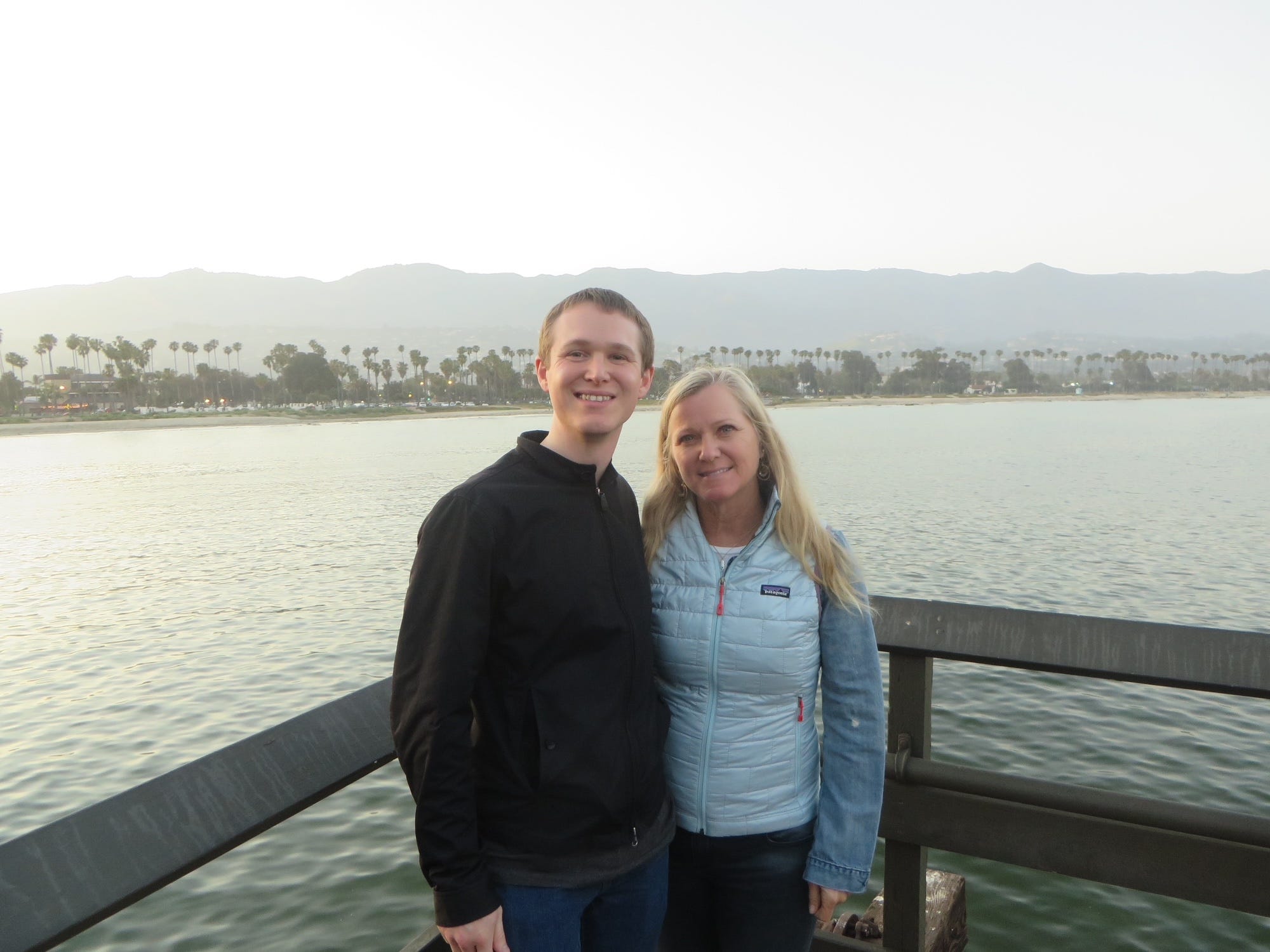
“It [was] odd—hurtful—that he wouldn’t have reached out, given how much time and love and devotion [Dezi] gave to that ministry,” she says.
Leslie does not believe Hammond deliberately coerced or brainwashed Dezi, and she does not blame the Orlando church, whose leaders had warned Dezi not to detransition unless they were certain. But she now sees SIW’s teachings as a form of conversion therapy.
“Do I think it’s wrong? Yes,” she says. “I never thought about it as conversion therapy in the way traditional [conversion therapy] is, but it is. It really is.”
Former members of SIW, including Tacher and Whitcomb, told Uncloseted Media that they were uncomfortable with the way Dezi was treated. Whitcomb says she remembers SIW leaders placing intense attention on Dezi’s transition and detransition and turning their deeply personal experience into a public display.
She also remembers SIW’s response to Dezi’s death as troubling, saying leadership continued using their deadname and incorrect pronouns and framed their death as a consequence of sin. She says she returned to the SIW website after learning of Dezi’s death and found that material featuring them had been removed.
“It was disturbing, the way they handled it,” Whitcomb told Uncloseted Media. “You use them as a poster child for this, and then when they’re struggling, or when they are no longer serving your purpose, you just eradicate their memory.”
How Hammond Became so Influential
The experiences of Dezi, Tacher and others raise a larger question: How did Hammond, a man with no clinical training, become one of the most influential voices on sexuality and gender inside a global church network?
While SIW started as a website aimed at providing support for “same-sex attracted” people, Hammond says it ballooned to hundreds of members in a matter of weeks. This success, Hammond says, told him that he “had a new mission in life.”
But despite gaining the support of some prominent figures in the ICOC, many church leaders were wary of Hammond. Even as he affirmed that gay acts are sinful, his sympathy towards “same-sex attracted” people was controversial. Tania Diaz, a former leader at the Boston Church of Christ, says the male leaders had a hyper-masculine reputation and viewed Hammond, who is relatively soft-spoken, as “pathetic.”
But as the broader culture shifted to be supportive of LGBTQ people, Diaz says ICOC leaders began to realize they needed to respond and looked to Hammond.
“Young people were asking questions, and at least [Hammond’s messaging] doesn’t sound as dangerous as … those false churches who dare to put a rainbow flag outside of their buildings,” Diaz told Uncloseted Media. “So even though it was strange and pathetic … at least he had some answers that wouldn’t allow them to lose control.”
The Boston ICOC did not respond to a request for comment. In an email sent to Uncloseted, the ICOC’s media response team wrote that “the ICOC believes that all people should be treated with dignity and care and that Jesus is ‘full of grace and truth.’ We also believe in the biblical sexual ethic and make that clear to all people before they choose to join.”
Over time, SIW’s influence grew throughout the ICOC. Diaz says that when the Boston Church of Christ, one of ICOC’s oldest and most influential branches, formally endorsed SIW around 2015, it was a major boon for Hammond. Churches would pay him hundreds or thousands of dollars to visit virtually or in person, often in response to a congregant being outed. He’d host talks, sermons and week- or weekend-long events promoting his ministry. While they were initially focused on “same-sex attracted” men, SIW would later open ministries focused on gay women, transgender people and the parents of LGBTQ children.
As Hammond’s popularity grew, he became the ICOC’s de facto thought leader on LGBTQ issues; one SIW survivor says he was treated like “the Jesus of gay people.” And other church members began to spread his teachings and practices independently.
In their statement, the ICOC addresses the organization’s decentralized nature: “For the past 20 years, the ICOC fellowship of churches has been just that - a fellowship of independent churches sharing the collective goal to know God and make him known. While we cooperate on efforts to serve the poor and share Christ with a hurting world, there is no governing body of our individual churches. … we do not have any implicit authority to respond formally on behalf of any individual church or our fellowship of churches. As such, we cannot speak to the actions of individual leaders in these churches and certainly will not speak directly about the members or children of members.”
SIW’s Ripple Effect
When Andy Stowers Forest was outed as bisexual to his community at CrossWay Church in Tallahassee, Florida, during college, he had never met Hammond and wasn’t an SIW member. But for two years, his church’s leadership pushed him into parts of SIW’s program, including reading and discussing books and other materials by Hammond and engaging in some of the repression practices he advocates for.
“They’re essentially having the college group leaders and disciplers do conversion therapy that they’ve learned half-ass from [Hammond], who came and did a weekend conference,” Forest told Uncloseted Media. “The deliberate effort that’s being made by the ICOC is not just to allow Guy Hammond to do this, it’s to empower people who frankly have much less media training to carry on his lessons.”
In their statement, the ICOC’s media response team says, “We wish to be clear at the outset: Strength in Weakness Ministries is not an organization of the International Churches of Christ. SIW is an independent ministry founded and directed by Guy Hammond.”
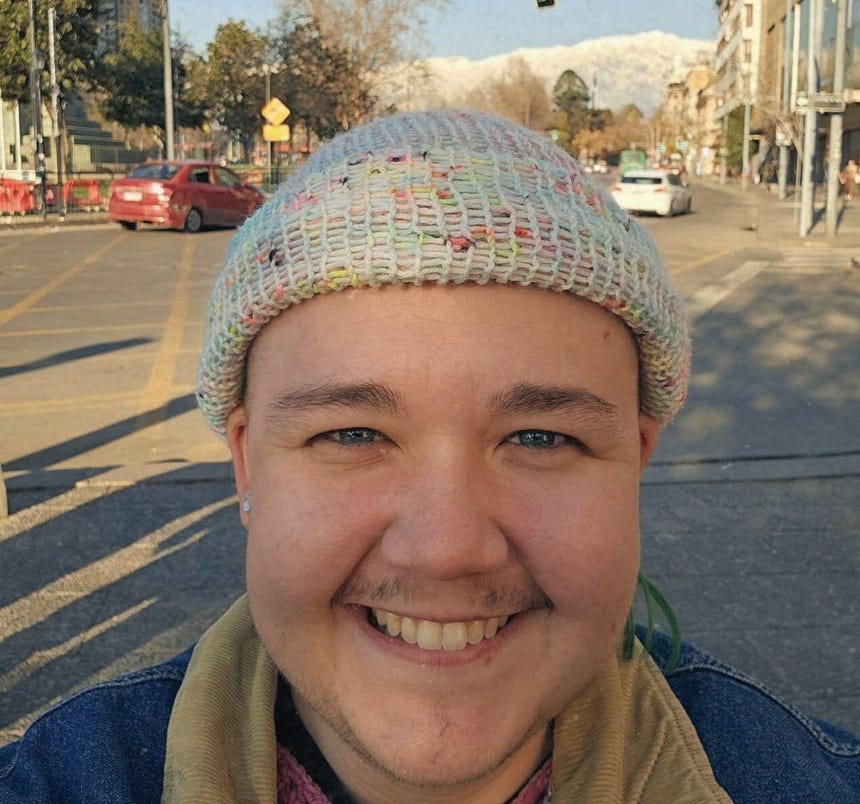
Years after leaving the church, when Forest realized he was trans, he found himself still coming back to what he had been taught by the church: that queerness was a sinful part of the self that had to be cut away, like in Matthew 5:30: “If your right hand causes you to sin, cut it off and throw it away.”
“You have to kind of excise this part of yourself,” Forest recalls learning. “And if you successfully excise this part of yourself, then you yourself don’t have to go to hell.”
Forest tried. But suppressing his transness did not make it disappear. The night before his 22nd birthday, his roommate was out of town, and Florida’s July heat had knocked out the power on his phone and computer. He reflected on his own queerness, and Hammond’s teachings kept echoing in his mind: “Everybody’s been telling me that there’s something wrong with me, and now I’m seeing that they were right.”
One concern weighed heavily on his mind. While Hammond has declined to take a public stance on the exact cause of homosexual attraction or trans identity, he and his ministry have published articles and given talks that suggest that sexual abuse received as a child may be a factor in its development. In one article, Hammond lists abuse received as a child as a relevant factor “that may have contributed to a man’s [same-sex attraction].”
Forest, who says he was sexually abused as a child, says that prevailing belief in the church made it harder for him to talk about both his queerness and the abuse he received.
“There was this fear of ‘If I come out, then people will, for the wrong reason, rightly infer that this terrible thing happened to me,’” Forest says.
He felt like he didn’t have any options. So he took what he describes as a lethal dose of pills and blacked out. Three hours later, he returned to consciousness, surprised to find himself alive. Believing this was a sign that the church’s teachings “did not work,” the same night, he came out to his best friend and began transitioning.
CrossWay Church did not respond to a request for comment. In his statement, Hammond says, “I have read the accounts you have reported, and I take them very seriously. It genuinely pains me that anyone would come away from their involvement with our ministry feeling hurt or harmed.”
Impact Beyond the US
Hammond is a prolific speaker, but Forest says his stardom within the ICOC has spread far beyond the U.S. and Canada. Uncloseted Media spoke with Cecilia, a former member of SIW’s parent ministry from Mexico, who requested to use a pseudonym because her son is not out.
While SIW’s presence in the country has been minimal, with Hammond only making a few visits to Mexico City, its impact is far-reaching. Cecilia’s home city of Merida is 800 miles away from Mexico City, so she never met Hammond. But the clout that he had gained internationally was so impactful that when she found out her son was gay, other members at her church sent her to SIW.
“He became very famous across all our churches,” she told Uncloseted Media. “At that time, I thought we needed some help, and there wasn’t any available help because there was no Spanish ministry here. So someone told us about [SIW].”
She paid for a membership and joined the parents’ ministry, attending meetings which she says were usually full of parents crying about how their children were going to go to hell. They’d discuss rules they could put in place to get their children to repress their queerness. She would make her son—then 13 years old— keep his queerness private, having him take down LGBTQ-related social media posts and erase drawings of pride flags from his notebook. Other parents would ban their children from having sleepovers or from coming out at all.
“Some parents … felt we were kind of liberal for letting him [come out] to other people,” she told Uncloseted Media.
Selling ‘Strength’ Around the World
Today, Hammond is pushing his ministry all over the world. He’s spent a chunk of 2026 touring six countries in Africa, including South Africa, where he preached that “real freedom comes from having the spiritual strength to say no when we realize that the activity is outside the lines of what God intended.” In Nigeria in March, he preached that people should show compassion for gay people even though “you cannot embrace and celebrate homosexuality and follow Jesus” and it “is something that must be repented of.”
Over the past two years, he’s also conducted workshops in Rio de Janeiro and Berlin. Uncloseted Media was able to identify appearances by Hammond in at least 31 U.S. states and in 20 other countries.
These appearances can be expensive—a three-day workshop will run a host church $3,000 plus coverage for flights and hotel, while individual classes cost $700 in person or $500 online per hour.
Unlike similar organizations, SIW is a for-profit corporation based in Ontario, Canada. But that hasn’t stopped it from seeking tax-deductible donations in the U.S.—on its website, it instructs Americans who want to donate to funnel the money through the South Florida Church of Christ, which is a 501(c)(3) nonprofit.
That’s not its only revenue stream, either. SIW memberships cost nearly $70 per year for individuals and nearly $100 for couples, with additional charges for those seeking counseling sessions from Hammond or other ministers. The ministry also sells courses for church leaders at about $360 a pop, and for individual church members at about $47. And on top of that, Hammond has also had multiple book deals and has been awarded sizable grants from wealthier ICOC branches, including one of up to $20,000 from New York Church of Christ.
Aste says that as a “poor student,” 20% of his income went toward his sessions with Hammond because he felt he “had to.” His understanding was that Hammond’s philosophy was “you will be more invested in your recovery if you have to pay for it.”
This financial burden is in line with reports about ICOC’s practices in general. Lawsuits against the churches have alleged that members were pressured to donate as much as 10% of their income to their churches—a burden that allegedly drove some to depression or even suicide.
How SIW Has Escaped Scrutiny
Conversion therapy has been the subject of public outcry, including a ban on the practice in SIW’s home country of Canada. But Wilson, who is based in Toronto, says specific practitioners still often fly under the radar.
“We know that there are still organizations practicing conversion therapy,” he says. “I know specific churches still practicing [it].”
One reason for this may be that survivors often take years to recognize that what was presented to them as discipleship, biblical counseling or spiritual guidance was conversion therapy.
“Most people who have gone through conversion therapy are either too young to actually come forward … they’re still within the fold, or they don’t even realize that they’re survivors,” Wilson says.
For a long time, that was the case for Erin Cuff, a licensed mental health professional and therapist who was a participant in SIW in 2018. She attended a small virtual group each week for women.

For Cuff, now out of the program and married to her wife in Virginia, she struggled with whether to apply the term conversion therapy to her own experience because popular depictions of the practice often center on electric shocks, physical abuse or explicit promises to make a gay person straight. SIW did not always resemble those programs.
Still, she says, “Whenever I watch a documentary about conversion therapy, I think, ‘That’s what I went through.’” She says the absence of physical violence does not erase the shame or the effort to prevent queer people from living according to their sexuality.
“People are free to disagree with our theology,” Hammond wrote in his email. “What I strongly reject is the characterization of Strength in Weakness presented in these accounts. The picture presented is simply not truthful. It does not accurately represent what I have taught, what our ministry has stood for, or how we have practiced our ministry.”
When the Promise Falls Apart
With time, more people have begun to realize how the program has harmed them—and as a result, many have left.
According to Tacher, after Hammond’s wife passed away, his gentle, charismatic and positive demeanor faltered. “He comes in with this gusto of like, ‘Everything’s good,’” says Tacher, who lived with chronic pain for years after leaving SIW, which they understood as a physical manifestation of trauma. “But he also seems incredibly lonely. I think there’s a part of him that wishes he had somebody to take care of him.”
For parents, the breaking point often came when the church’s teachings collided with the reality of what they were doing to their children.
Nadine, a former ICOC leader, saw that process firsthand after her daughter came out about a decade ago. Nadine was a prominent leader in the Seattle church, and the immediate response was that her daughter should speak with Hammond. Because of the family’s standing in the church, Hammond flew to Seattle to meet with her daughter. “A lot of my generation are fooled by him,” she told Uncloseted Media. “Because when he speaks publicly, or when he talks to parents, he is very different from the way he talks about things in private. … He is actually very tightly wound.”
Nadine, who asked to go by her first name only for safety concerns, ultimately left the church and became an outspoken critic of its treatment of LGBTQ members and of SIW’s conversion tactics. “I couldn’t be part of a church where all of this was happening, all the spiritual abuse was going on and no one’s talking about it. … I couldn’t sleep at night.”
Her decision also helped other ICOC parents reconsider what they had been taught. Former members say their parents’ friendship with Nadine contributed to eventually recognizing that preserving a relationship with their kids mattered more than enforcing the church’s rules.
Years after leaving the ICOC, Andy Stowers Forest has been living openly as a transgender man. He now lives in Chile, recently traveled to Argentina for top surgery and runs a small nonprofit that has helped 25 transgender people obtain accurate identity documents.
He still thinks of the lives lost and the harm caused, especially the death of Redler, and wants to share his story and the story of others. That’s why in late 2022, he and a group of other survivors began collecting data and information on Guy Hammond and his activities, much of which was shared with Uncloseted Media for this article.
“I can’t make [Redler] alive,” Forest says. “But I can save this data. It was literally the only thing I could do when I was so angry.”
Even after all the harm Hammond has allegedly caused so many LGBTQ people, Forest says that he pities him.
“I would want him to know, even though I hate him, how much time I have spent crying for him,” Forest says. “Because as difficult as he made my life, as close as his teachings came to ending it, he is infinitely sadder than anything about coming out and accepting myself ever could be. And I am so deeply sad for the way he has allowed his own life … to be manipulated for something so tragic.”
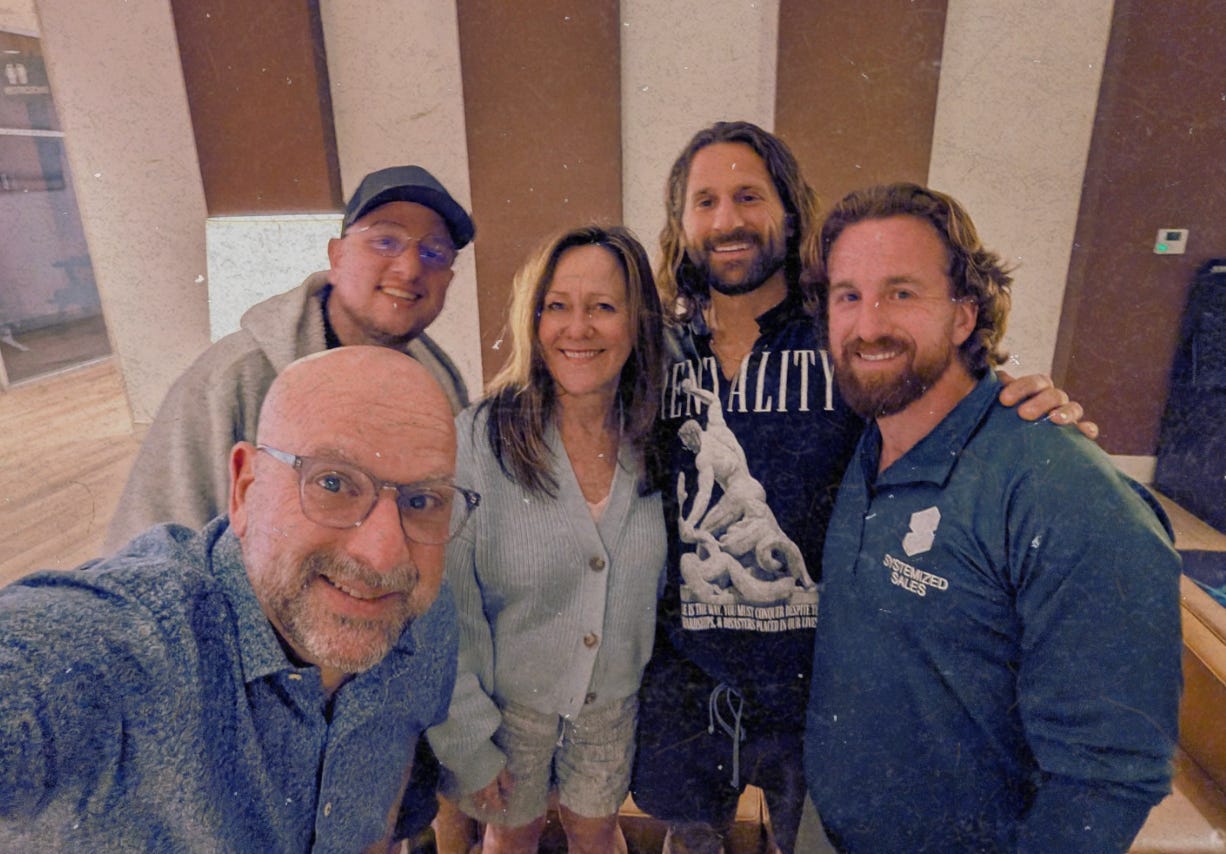
Tacher agrees. After spending years believing that queerness would destroy their life, they now see things differently.
“What was dangerous was the lie I was told about it,” they say. “I am just getting comfortable being angry because I loved [that community]. I would have done anything for those people. I was willing to suppress my sexuality for that. I was willing to bleed.”
Their advice to others who are healing from conversion therapy is that recovery is worth it. “It gets better if you’re willing to be very, very strong, but you are strong. You’re actually probably stronger than those who don’t understand. … And they can’t take that away.”
If objective, nonpartisan, rigorous, LGBTQ-focused journalism is important to you, please consider making a tax-deductible donation in the U.S. through our 501(c)(3) fiscal sponsor, Resource Impact, by clicking this button:
