

The 2025 LGBTQ Year in Review: Lows, More Lows and Rumblings of Hope
Here are Uncloseted Media’s picks for the most newsworthy moments for the LGBTQ community this year.

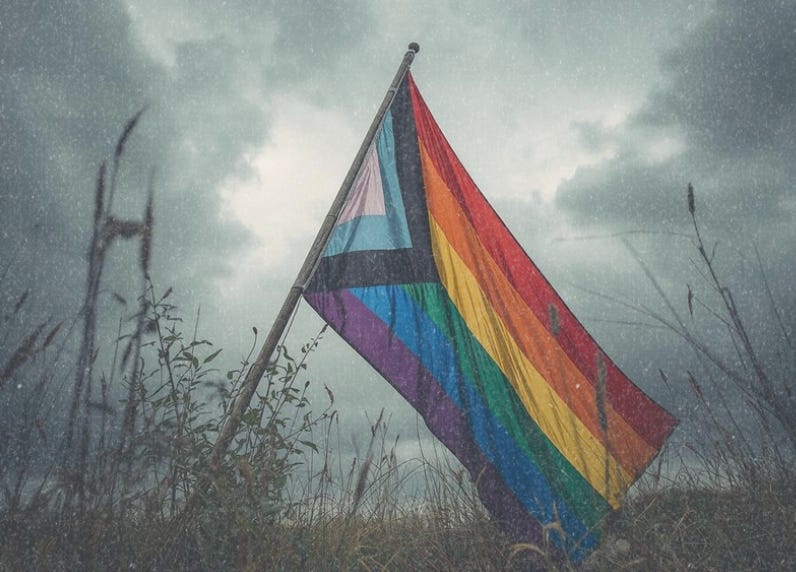
2025 has been filled with relentless and unprecedented attacks against the LGBTQ community in the U.S. President Donald Trump’s anti-LGBTQ policies have spilled over to countries abroad, including heading north to some conservative Canadian provinces like Alberta.
Despite this, there have been moments of hope. Here is Uncloseted Media’s 2025 LGBTQ year in review.
Jan. 1
Liechtenstein’s Marriage Act, passed in 2024, officially takes effect, opening marriage to same-sex couples and aligning the microstate with 21 other European nations that already recognize same-sex marriage.
Jan. 7
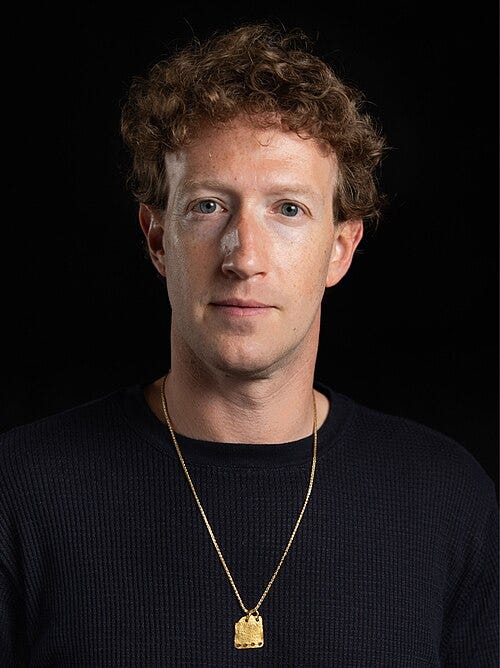
Meta introduces new rules to their platforms. They remove their third-party fact-checking program and roll back hate speech restrictions, which allows anti-LGBTQ rhetoric to flourish. A report by Uncloseted Media identifies users who spew trans and homophobic language. One user wrote, “Look at this disgusting piece of fag shit here !” Another told someone to go to “the insane asylum where you belong, tranny freak.” Both of these comments are still up on the platform.
Jan. 20
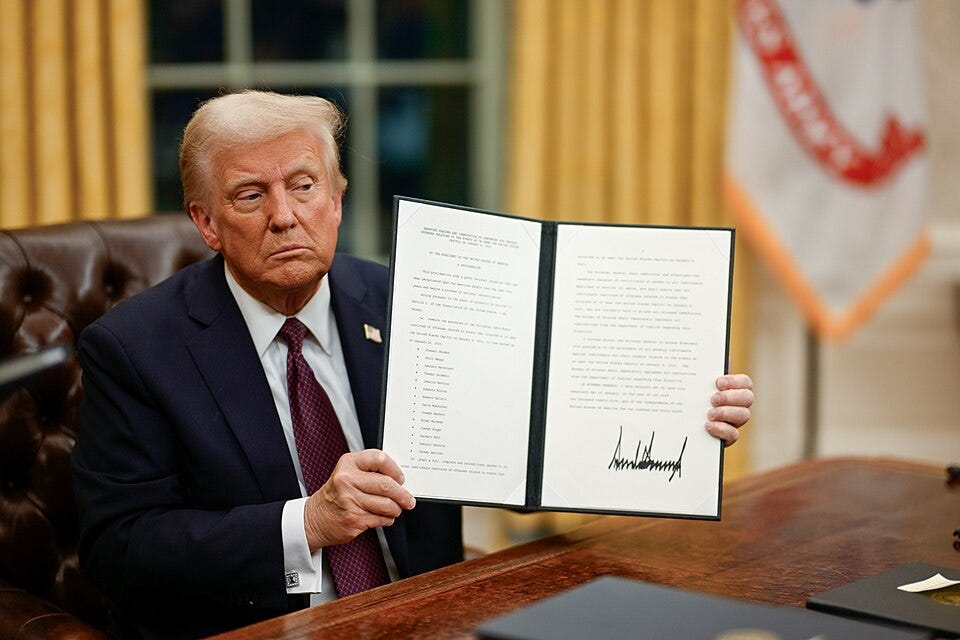
On the first day of his second term, President Trump signs an executive order titled “Defending Women from Gender Ideology Extremism and Restoring Biological Truth to the Federal Government.” The order forces federal agencies to treat sex as a fixed male and female binary “assigned at conception,” calls for “gender” to be scrubbed from federal guidance, halts federal funding for gender-affirming care and mandates trans women in prison to be sent to male facilities. Trump also issues a stop-work order for PEPFAR, the biggest HIV/AIDS relief program in the world. This kicks off a broader pattern of cuts to HIV prevention and research.
Over the next three months, Trump continues his attacks on the LGBTQ community by signing another executive order that bans trans women and girls from competing on sports teams that match their gender identity. He also directs agencies to curb gender-affirming care for anyone under 19 and to strip funding from schools that allow social transition, inclusive bathrooms or the use of affirming names and pronouns.
Jan. 23
Same-sex marriage becomes the law of the land in Thailand, making it the first country in Southeast Asia to recognize marriage equality and equal adoption rights for gay couples.
Jan. 27
The Idaho House passes a resolution urging the U.S. Supreme Court (SCOTUS) to revisit and overturn Obergefell v. Hodges, signaling a renewed appetite to attack marriage equality at the federal level.
Feb. 6
Australia amends its federal Criminal Code to add sexual orientation, gender identity and intersex status as protected characteristics in hate-crime law. This creates stronger penalties for perpetrators of anti-LGBTQ hate crimes across the country.
Feb. 13
Sam Nordquist, a trans man from Minnesota, is found dead in Upstate New York after a woman he met online kidnapped and tortured him for weeks in a hotel room. Seven people connected to his death have been charged with murder. Sam’s friend, Jax Seeger, spoke to Uncloseted following the tragedy:
“From my understanding, they came out and said it wasn’t a hate crime … and part of their reasoning was because one or two of the suspects self-identified within the [LGBTQ] community. … Like, you can’t say that just because they identified as LGBTQ, they’re incapable of committing a hate crime. Sammy wasn’t just physically abused. He was psychologically abused and they didn’t go into what that consisted of, but I think that’s something to keep in mind. As well as just the level of abuse you know? Trans people deserve the same respect and the same love as everyone else.”

_(cropped).jpg)
.jpg)
The week after our interview with Seeger, prosecutors upgrade the charges against Nordquist’s accused killers to first-degree murder.
Feb. 14


The National Park Service (NPS) erases mentions of transgender people from the Stonewall memorial, furthering conservative efforts to push “LGB” without the “T.” A few months later, NPS would go on to remove mentions of bisexuals as well.
Feb. 25

Mexico City’s Congress approves a resolution to reform the Law for the Recognition and Attention of LGBTTTI+ Persons. This move effectively recognizes nonbinary people.
Feb. 28
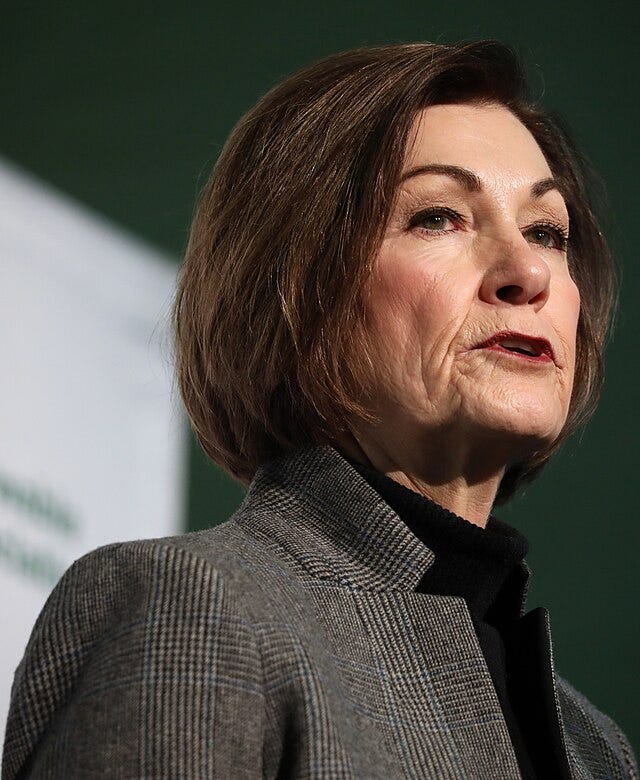
Iowa Gov. Kim Reynolds signs SF 418 into law. This move officially removes “gender identity” from the Iowa Civil Rights Act’s list of protected classes in housing, employment and public accommodations. Iowa becomes the first state to remove civil rights from a previously protected group.
March 27
Gov. Spencer Cox announces that Utah will become the first state to ban LGBTQ pride flags in government buildings and public schools, effective May 7. While the move is framed as a “neutrality” measure, it is widely seen as part of a broader effort to erase public displays of queer identity. In protest, the Utah Pride Center unveils what it calls “the world’s largest transgender flag” in front of Utah’s State Capitol building in Salt Lake City.
April 4
A conversion therapy ban in New South Wales (NSW), Australia, goes into effect. This makes it illegal for therapists and religious leaders to practice conversion therapy on gay and trans people. In a media release, the NSW attorney general writes:
“This follows ongoing work by the NSW Government to progress reforms that ensure all members of our community feel valued, respected and equal.”
May 1
The Department of Health and Human Services releases a 409-page report on pediatric gender-affirming care, authored in part by a philosophy professor. The Trevor Project says the report advocates for conversion therapy for trans kids. In a press release, they write:
“This report not only rejects health care best practices for transgender people — it goes a step further by recommending conversion therapy, though under a new, rebranded name, ‘exploratory therapy’. Despite the report’s claims, this is, in fact, the same harmful practice of conversion therapy, just using friendlier language.”
May 6
Trump’s transgender military ban goes into effect. The change requires active trans service members to self-separate from the military or risk losing some of their Veterans Affairs benefits. Alaina Kupec, a retired transgender U.S. Navy lieutenant, says the decision punishes people who are qualified and want to serve the country:
“[This is] a really dark day for our country where basically we’re allowed to discriminate against a class of people.”
May 19
A Russian court fines Apple roughly $130,000 for four offenses, including the violation of Russia’s expanded “LGBT propaganda” law. The Russian law labels the “international LGBT movement” as extremist and treats queer visibility as a threat to state security. Anything that promotes “non-traditional sexual relations” violates the law.
May 30
Puerto Rico’s Supreme Court rules that residents can request an “X” gender marker on their birth certificates. This move explicitly recognizes nonbinary people and strengthens case law around self-determined gender in the U.S. territory.
June 8
#/media/File:2025.06.07_World_Pride,_Washington,_DC_USA_158135_05745_(54582538995).jpg)
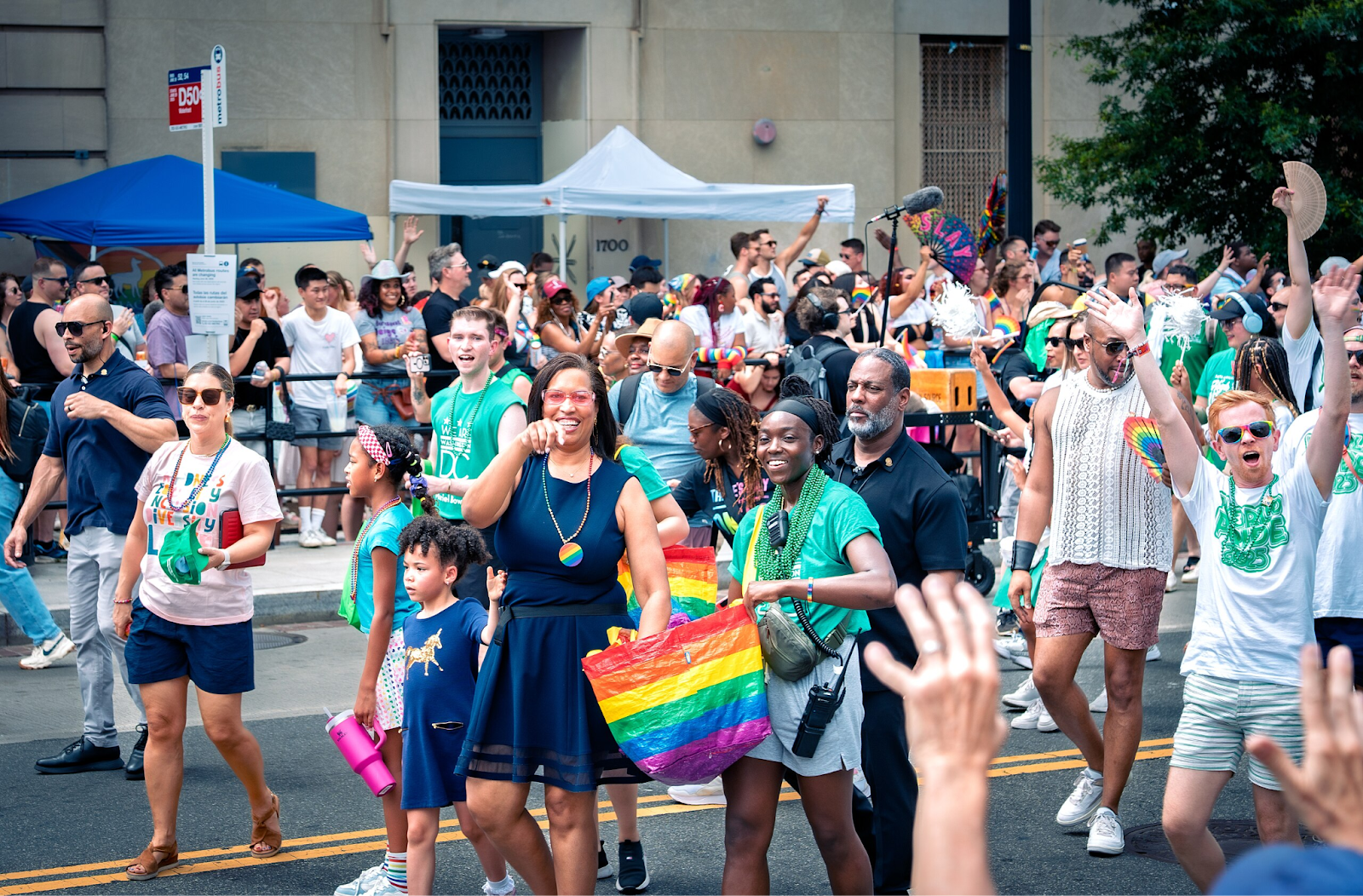
Amid relentless attacks from the federal government, WorldPride takes place in Washington D.C. Ahead of the event, the African Human Rights Coalition calls for a boycott because of Trump’s swath of anti-LGBTQ policies. While roughly 1.2 million people attend, The Washington Post reports that the turnout is less than half of what organizers expected.
June 18
In a 6–3 decision, SCOTUS upholds Tennessee’s law banning gender-affirming care for minors, including puberty blockers and hormones. The ruling signals that similar bans in other Republican-controlled states are likely to stand, sharply narrowing access to medically recommended care for trans youth nationwide. Ten days after the ruling, five trans youth speak to Uncloseted Media, with Dylan Brandt, 20, saying:
“Lawmakers don’t need to be involved in my doctor visits. They have no right. They have no knowledge. … They’ve got a lane and they should stay in it.”
June 28
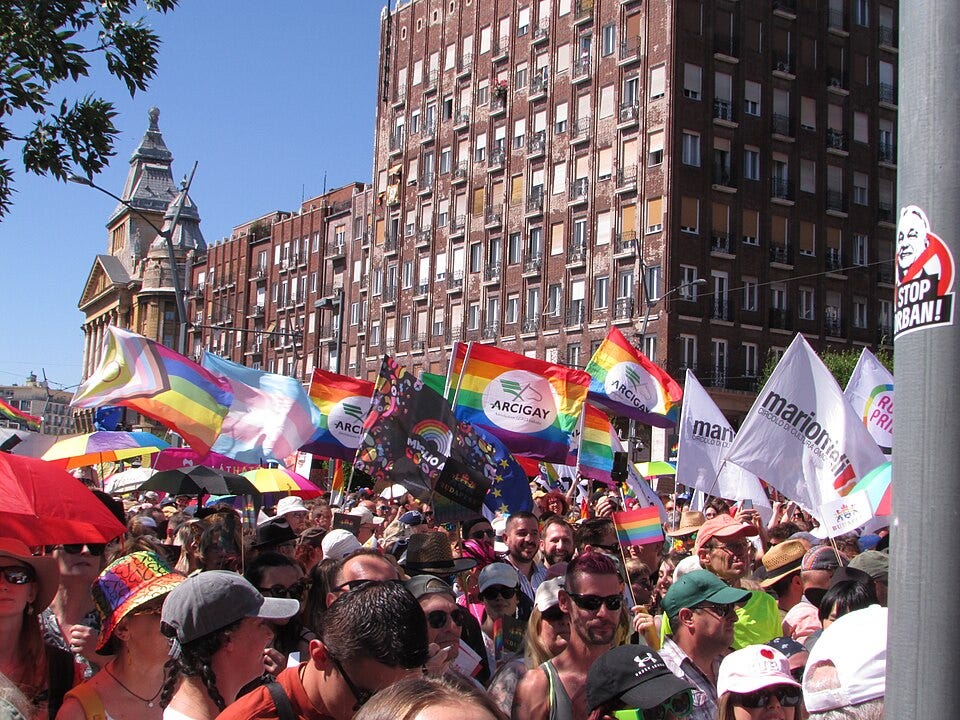

In defiance of a government ban on Pride events, roughly 100,000 people march the streets of Budapest, Hungary, to celebrate. The march was seen as both a showing of support for LGBTQ rights and a protest against Prime Minister Viktor Orbán’s conservative government.
July 16
.jpg)
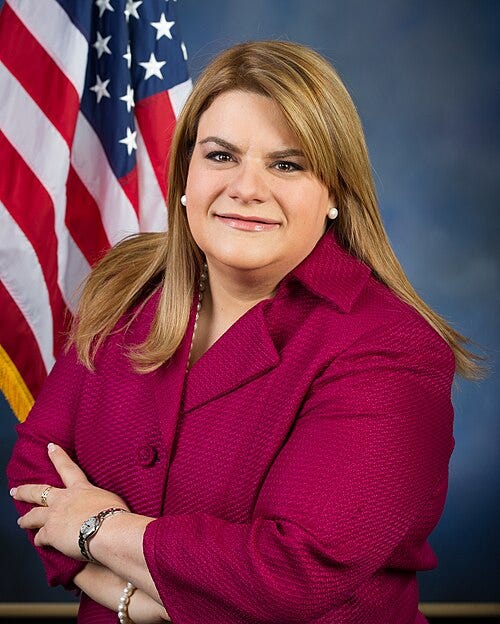
Puerto Rico’s governor, Jenniffer González-Colón, signs one of the harshest anti-trans health care laws in the northern hemisphere. The law bans gender-affirming care for anyone under 21 and threatens to cut off public funding for hospitals that don’t comply. It also threatens doctors with up to 15 years in prison and loss of licensure for violations. Puerto Rico’s LGBTQ+ Federation and GLAAD release a joint statement condemning the bill:
“Banning this care and stripping the rights of parents to make the best medical decisions for their families would create unbearable burdens for the most marginalized in Puerto Rico. Lawmakers must vote to protect access to health care that saves lives, and allow families to make private health care decisions that help loved ones be themselves, be safe, and to thrive.”
July 17
The Trump administration shuts down the LGBTQ suicide hotline, a life-saving resource that had received over 1.3 million calls, chats and texts since it launched in 2022. Genna Brown, a 16-year-old queer kid in North Carolina, who had used the hotline, spoke with Uncloseted Media about the impact it had on her mental health:
“I was an extremely self-loathing, suicidal kid who was under the impression that God hated me and I was gonna burn in hell for eternity. … Connecting with someone who gets it was really helpful. … Because at home, I was so isolated and I didn’t really interact with other queer people.”
July 18
Cuba’s National Assembly passes a law allowing trans people to change their legal gender without any requirement for genital surgery. In a post on X, Minister of Justice Oscar Silvera Martínez writes that the new law “will allow the country to have a modern civil registry” provided by “the issuance of digital documents with full validity and efficiency.”
July 29
In a move hailed by human rights groups, the Caribbean nation of St. Lucia strikes down colonial-era laws criminalizing “buggery,” effectively decriminalizing consensual same-sex intimacy between adults.
Aug. 20
In the middle of the night, Florida’s Department of Transportation paints over a rainbow crosswalk made to honor the victims of the Pulse nightclub terrorist attack that left 49 people dead. Advocates respond in protest by installing rainbow-colored bike racks.
Sept. 1
Burkina Faso’s Transitional Legislative Assembly passes a law explicitly criminalizing homosexuality. The law imposes a two- to five-year prison sentence and fines on people convicted of same-sex activity, deepening the criminalization of queer people in West Africa.
Sept. 10
The assassination of Charlie Kirk at Utah Valley University (UVU) kicks off a wave of anti-trans vitriol, including calls to criminalize the community and designate them as terrorists. In September, Uncloseted Media interviewed five current and former LGBTQ students at UVU. Simone Goodheart, a trans woman who had recently attended the school, spoke about how students were suggesting she was the murderer and how they were harassing her on campus:
“I would say a few of them were asking me to share my school schedule, which thankfully I’m not a student right now. But like damn, if that was the case? A few of them just make awful comments about my appearance, who I am as a person. Basically they just wanted to make sense [of it], but also they wanted to get their outrage out. Because yeah, somebody they cared for died. They are going through the grieving process and like there is outrage and frustration but they were misdirected and misconnected and just utilized by awful algorithms that try to boost the most amount of outrage possible in order to encourage engagement.”
Sept. 26
Slovakia’s parliament passes a constitutional amendment that formally recognizes only two genders, restricts legal gender transition and prohibits adoption by same-sex couples nationwide.
Oct. 6

Bari Weiss is appointed editor-in-chief of CBS News, making her the first openly gay person to lead the network. Weiss often angles herself as an independent thinker and is known for criticizing the mainstream media. She has no experience in broadcast news and has surrounded herself in controversy, accusing former colleagues at The New York Times of bullying her. She has also railed against Diversity, Equity and Inclusion (DEI) initiatives, writing articles with headlines such as “Bari Weiss: End DEI.”
“It is time to end DEI for good. No more standing by as people are encouraged to segregate themselves. No more forced declarations that you will prioritize identity over excellence. No more compelled speech. No more going along with little lies for the sake of being polite.”
Oct. 7
SCOTUS appears poised to rule against a Colorado law that bans the discredited practice of conversion therapy on minors. The justices repeatedly question the state over whether the law hinders free speech.
The high-stakes case could roll back the rights of LGBTQ youth across the country. Colorado is one of more than 20 states that have banned conversion practices, and a ruling in favor of removing the ban could make those laws in other states vulnerable to similar challenges.
Nov. 4
.jpg)
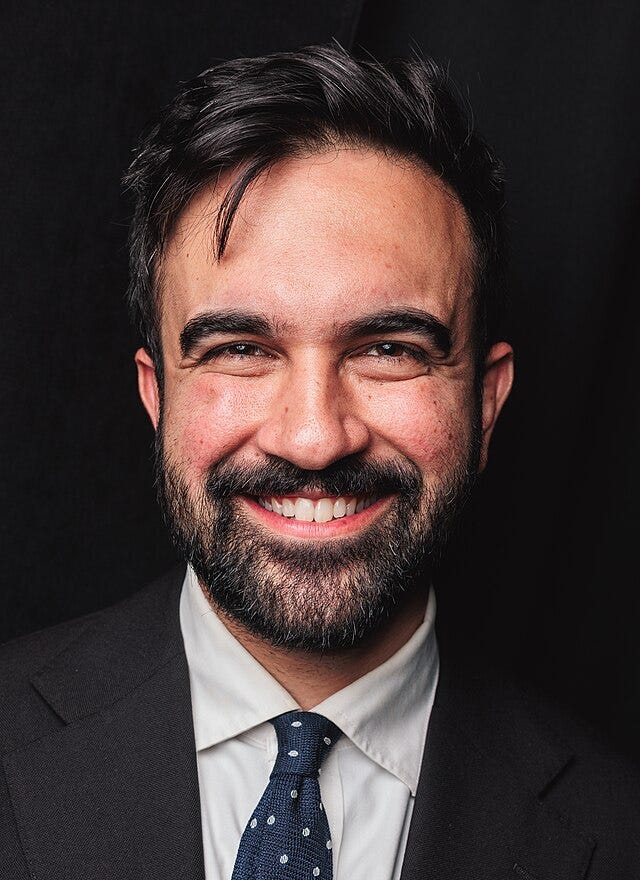
Zohran Mamdani, one of the most outspokenly pro-trans politicians in the country, is elected mayor of New York City. Meanwhile, anti-LGBTQ Republicans are defeated in Virginia’s and New Jersey’s gubernatorial elections. On the night of his win, Mamdani reaffirms his support for those who elected him:
“In this moment of political darkness, New York will be the light. Here, we believe in standing up for those we love, whether you are an immigrant, a member of the trans community, one of the many black women that Donald Trump has fired from a federal job, a single mom still waiting for the cost of groceries to go down, or anyone else with their back against the wall. Your struggle is ours, too.”
Nov. 10

In a massive win for gay rights, SCOTUS rejects Kim Davis’ appeal and won’t revisit the landmark decision that legalized same-sex marriage nationwide in 2015. This signifies a major defeat for the new push to overturn the ruling, which was spearheaded by Davis and her lawyers from Liberty Counsel.
Nov. 17
Across Alberta, Canada, anti-trans legislation takes effect. A trans sports ban for students also forces sports organizations and schools to collect sensitive personal information that risks outing trans and gender diverse youth. Alberta Premier Danielle Smith announces plans to circumvent legal opposition to the province’s ban on gender-affirming care for minors by invoking the notwithstanding clause, a constitutional provision that will stop such challenges for five years. The measure was also used in Alberta in 2000 to advance legislation opposing gay marriage.
Nov. 19
New Zealand’s health minister, Simeon Brown, announces a halt to new prescriptions of puberty blockers for minors with gender dysphoria. Brown says the ban will remain until a British clinical trial is completed. Existing patients can continue treatment.
Nov. 25
The European Union’s (EU) top court rules that member states must recognize same-sex marriages contracted in any EU country for purposes such as residence and free movement, binding more conservative governments such as Poland, Bulgaria, Romania and Slovakia to acknowledge queer couples’ marital status even if they refuse to perform such marriages at home.
Dec. 2
ADF International, the global arm of U.S. anti-LGBTQ legal group Alliance Defending Freedom, publicly backs a South Australian woman threatening legal action over a Headspace Berri mental-health presentation that mentioned LGBTQ issues, incest and bestiality in a classroom context. Elenie Poulos, an expert on the intersection of religious and political discourses, describes their impact as “huge,” saying:
“They have a very longstanding and aggressive approach to the rights of LGBTIQ people. They fight it in the courts in the US, they fight it politically, locally and in communities, and their aggressive anti-gay stance is extremely harmful.”
Dec. 18
Robert F. Kennedy Jr. and Dr. Oz announce restrictive measures designed to block minors’ access to gender-affirming care. The plan proposes federal Medicare and Medicaid cuts to all hospitals that provide this care to minors. “The multitude of efforts we are seeing from federal legislators to strip transgender and nonbinary youth of the health care they need is deeply troubling,” says Rodrigo Heng-Lehtinen of The Trevor Project.
Dec. 21
CBS News shelves a planned 60 Minutes segment on men deported to CECOT, an infamous prison in El Salvador. Internal sources indicate that the move to cancel the story came from the network’s editor-in-chief Bari Weiss, who reportedly raised concerns about the Trump administration’s lack of response to the reporter’s outreach.
If objective, nonpartisan, rigorous, LGBTQ-focused journalism is important to you, please consider making a tax-deductible donation through our fiscal sponsor, Resource Impact, by clicking this button:

Thanks for this year’s review!
Great reporting, I appreciate all the hard work!